

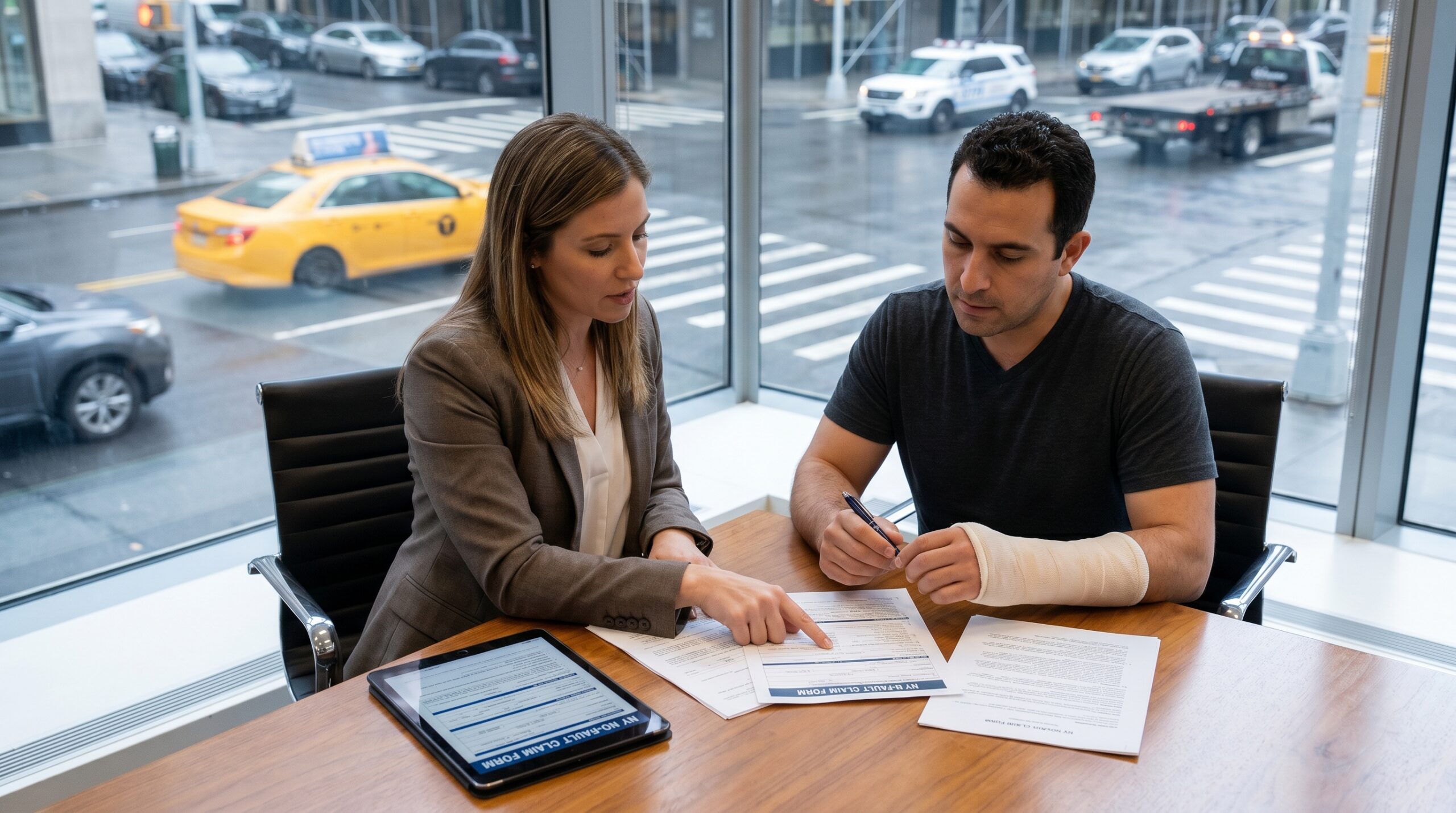
Traffic collisions across New York continue to cause serious harm each year. Recent injury reports recorded 1,076 fatalities, 9,635 hospitalizations, and 138,229 emergency department visits linked to crashes statewide. Adults between 25 and 44 accounted for 53,535 emergency visits, while people ages 45 to 64 experienced 2,836 hospital admissions after vehicle accidents. Men represented 788 traffic deaths compared with 288 among women. These crashes frequently leave victims coping with fractures, spinal injuries, concussions, internal trauma, and long recovery periods afterward.
Under New York’s no-fault insurance rules, injured drivers and passengers usually turn to their own coverage for medical expenses, lost wages, and rehabilitation costs after a crash. However, severe injuries can lead to complicated disputes and lawsuits against negligent parties. People pursuing NYC car accident claims with Shulman & Hill benefit from speaking with a car accident lawyer about compensation for lasting physical, financial, and emotional hardships afterward.
First Notice
Most cases begin with prompt notice to the insurer covering the vehicle involved. Dates matter from the start because adjusters compare the following:
- Emergency care
- Follow-up visits
- Work absence
- Scene details
In New York, car accident claims often appear in discussions about notice timing, required forms, and medical support, all of which can shape early benefit decisions. Quick reporting also helps preserve witness names, photographs, and repair estimates.
Basic Rule
New York uses a no-fault system for many injury-related losses after a collision. Medical costs and part of lost pay usually begin with the injured person’s own policy. Fault may still matter later, yet it does not control this first stage. For that reason, timely filing often carries more weight than early debate over which driver caused the impact.
Covered Costs
Personal injury protection commonly pays for reasonable medical treatment, certain travel expenses, and a portion of missed earnings. Vehicle damage follows another track and usually sits outside these first-party benefits. Pain and suffering also fall beyond this coverage. Early correspondence, therefore, tends to center on office notes, therapy orders, prescription records, and payroll documents rather than arguments about physical discomfort alone.
Medical Proof
Clinical records often determine how smoothly a no-fault file moves. Insurers typically review the following:
- Ambulance notes
- Hospital charts
- Imaging findings
- Specialist referrals
- Physical therapy attendance
Gaps in care can trigger questions about causation or severity. Consistent treatment, documented in date order, usually gives adjusters a clearer picture of symptom progression, functional limits, and the need for continued services.
Wage Loss
Income reimbursement requires more than a brief statement from the injured worker. Carriers often ask for employer confirmation, pay stubs, tax records, or other proof showing how long restrictions kept that person away from work. Self-employed individuals may need invoices, contracts, or business ledgers. Clean documentation of earnings benefits injured persons, helps calculations move faster, and lowers the chance of partial denial.
Serious Injury
Some collisions produce losses that go beyond no-fault coverage. New York law permits a case against the at-fault driver when injuries meet the serious injury threshold or economic harm exceeds available benefits. Common examples include major disfigurement, permanent limitation, or strong proof of long-term impairment. Once that standard is met, the matter can move beyond first-party payment and into tort litigation.
Beyond No-Fault
A third-party injury case seeks damages that basic no-fault benefits do not pay. Those losses may include:
- Full wage replacement
- Future treatment
- Pain and suffering
Liability evidence becomes far more important at that point. Police reports, surveillance footage, event data, and witness accounts can all influence settlement value after the dispute leaves the first-party insurance process.
Fault Disputes
Even in a no-fault state, insurers still study how a crash occurred. That review matters for property damage, fraud concerns, and later lawsuits. Rear-end impacts may look simple at first, yet multi-vehicle collisions often produce competing versions of events. Early fact gathering helps sort those differences before memories soften, vehicles are repaired, or electronic evidence becomes harder to obtain.
Deadlines
Timing can decide whether a valid case receives payment. No-fault applications usually must be filed soon after the collision, while lawsuits follow separate legal limits. Missing either window can weaken bargaining strength or end recovery altogether. As New York matters may involve several insurers, each with different document requests, it is worth carefully maintaining calendars and full copies of every submission.
Conclusion
No-fault insurance is meant to support early treatment and wage replacement, yet the process still depends on disciplined records and prompt action. Medical proof, employment support, and filing deadlines often determine whether benefits arrive smoothly or stall in review. Some matters remain within first-party coverage, while others grow into fault-based injury litigation. With that framework in view, readers can better follow how a crash case progresses from first notice to final resolution.
