

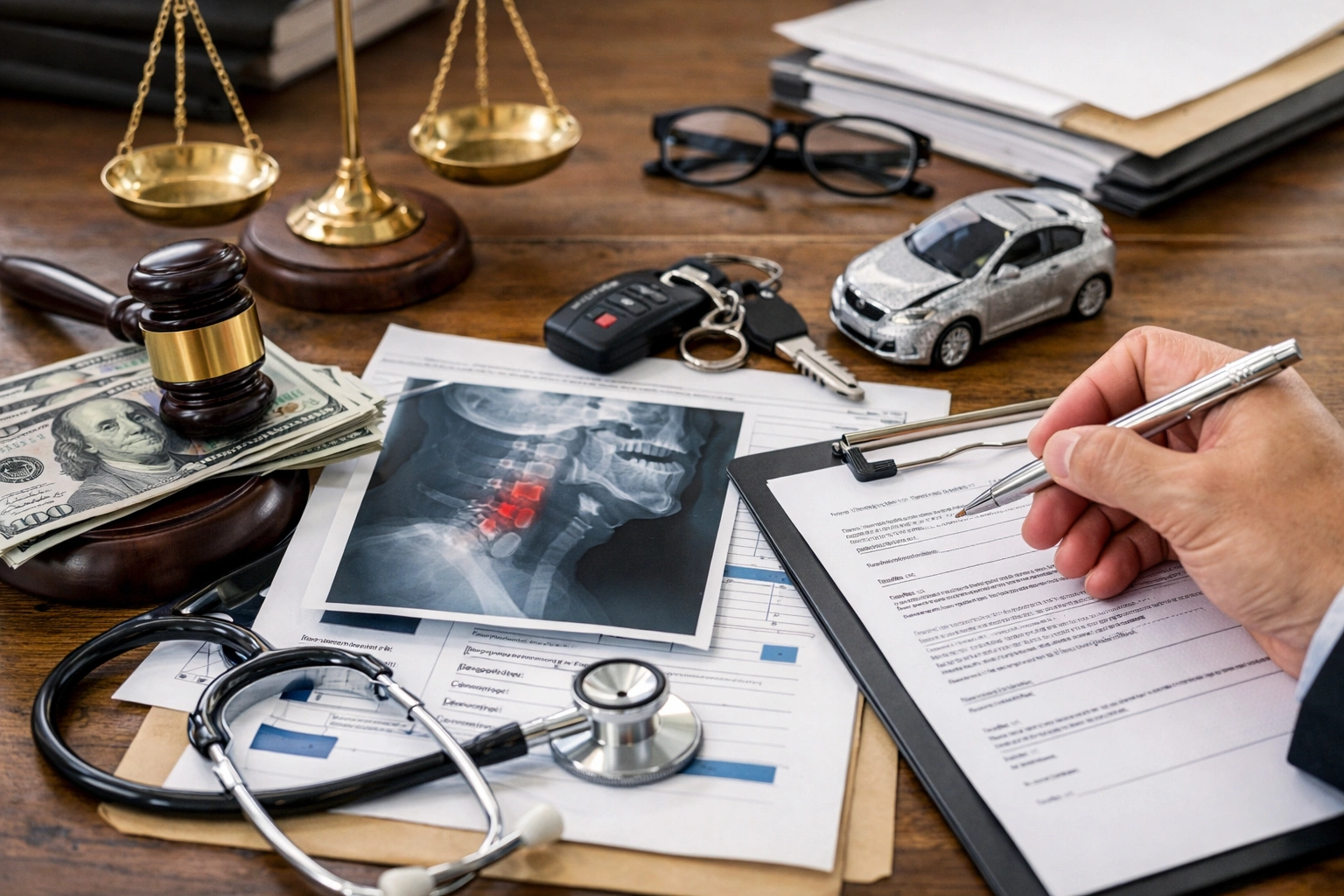
When pursuing a personal injury claim, nothing is more influential than your medical records. These documents are essential for demonstrating the connection between your injuries and the incident in question, making them the backbone of any compensation process. If you have been injured, navigating the complexities of insurance claims and settlements can be overwhelming. That is why you should get legal help as soon as possible to protect your rights and make sure your documentation is working in your favor.
Understanding how a well-documented medical history impacts your case can make the difference between a favorable settlement and receiving far less than you deserve. Comprehensive records, consistent treatment, and timely documentation all work together to strengthen your position at every stage of negotiation. These details provide tangible proof for insurance companies or courts about the extent and causation of your injuries, turning your medical care into compelling evidence.
The power of medical records extends far beyond simply listing diagnoses or treatments. They help establish credibility and support your account of the incident, making it harder for insurers to dispute your claim. In an era where settlements can be contested by advanced legal teams and insurers intent on minimizing payouts, having robust documentation is critical.
Claims that are challenged often fail not because of a lack of injury, but because gaps and inconsistencies in medical records invite skepticism. According to the American Bar Association, even small lapses in documentation or missed medical appointments can become major obstacles in personal injury cases.
The Importance of Medical Records in Personal Injury Claims
Medical records form the undeniable core of a personal injury case by illustrating exactly what happened, when, and how it affects the injured party’s life. Each note, lab result, or imaging report creates a timeline and establishes a cause-and-effect relationship between the incident and the injuries sustained. Courts and insurers scrutinize these records closely to decide whether a claim is justified and how much compensation is warranted. Well-documented records increase trust and clarity, and they help reduce disputes about the extent of injuries or the necessity of certain treatments.
The Significance of Timely and Consistent Medical Treatment
Taking prompt action after an accident or injury is critical for both your health and your case. Insurers frequently argue that delays in seeking treatment or missed appointments cast doubt on the seriousness of your injuries. Documented evidence of immediate and ongoing care, including follow-up visits and rehabilitative therapy, demonstrates the legitimacy of your injuries and your commitment to recovery. Studies indicate that cases with consistent medical documentation may receive up to 40 percent higher settlements than those disjointed by gaps in care.
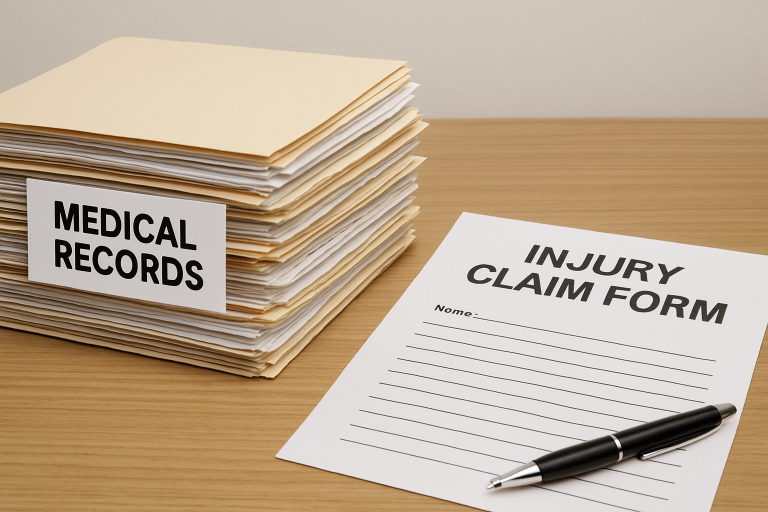
The Role of Digital Health Records in Personal Injury Law
The digitization of health records has become a major asset in personal injury law. Digital records are more accessible and less likely to be misplaced than paper files, and they can be shared instantly between healthcare providers, lawyers, and insurers. This accessibility speeds up claims processing and decision-making and helps ensure that every aspect of a patient’s medical journey is properly accounted for. According to the American Bar Association, digital health records reduce administrative bottlenecks and allow attorneys to build stronger, more cohesive cases.
How Medical Opinions Influence Settlement Outcomes
The influence of a medical opinion within your records cannot be overstated. Objective evidence, like X-rays, MRIs, or bloodwork, carries significant weight because it is not open to interpretation. Detailed physician notes that clearly relate your injuries to the incident and discuss expected long-term effects are particularly persuasive during settlement negotiations. When a doctor’s assessments are thorough, insurance adjusters and opposing lawyers have less room to question the case. Inadequate or vague opinions, however, may lead to drastically reduced settlement offers.
Understanding Independent Medical Examinations (IMEs)
Insurers and defense attorneys sometimes request Independent Medical Examinations to challenge the legitimacy of your injuries. IMEs are performed by doctors who may be less sympathetic to your side since they are selected by the opposing party. Preparing for an IME includes reviewing your records, bringing complete documentation, and ensuring you accurately present your medical history. It is often wise to consult with your physician or legal counsel beforehand to anticipate potential biases or points of dispute during the examination.
Tips for Maintaining Comprehensive Medical Records
To effectively support a personal injury claim, it is crucial to establish a meticulous recordkeeping routine from the outset. This includes organizing visit summaries by date, retaining copies of diagnostic images, lab reports, and updates on physical therapy progress. Additionally, it is important to report and document any changes in symptoms or new developments to healthcare providers. Maintaining thorough organization ensures that all pertinent details regarding the injury, treatment, and recovery are accessible, thereby minimizing potential doubts or disputes later in the claims process.
The Role of Legal Assistance in Managing Medical Documentation
Engaging with a skilled personal injury attorney can make a substantial difference in how your medical records are managed and presented. Experienced lawyers know which documents are most relevant and can work with medical providers to clarify ambiguities or obtain expert statements. Attorneys can also help ensure deadlines are met and that communication with insurers is accurate and consistent, making the process less stressful for plaintiffs.
Conclusion
Medical records are the foundation of a fair personal injury settlement. Their ability to establish causation, demonstrate the impact of injuries, and support the credibility of your claim cannot be overstated. By recording consistent treatment, keeping records organized, and working closely with both healthcare professionals and experienced legal counsel, injured individuals significantly increase their chances of receiving the compensation they deserve.
