

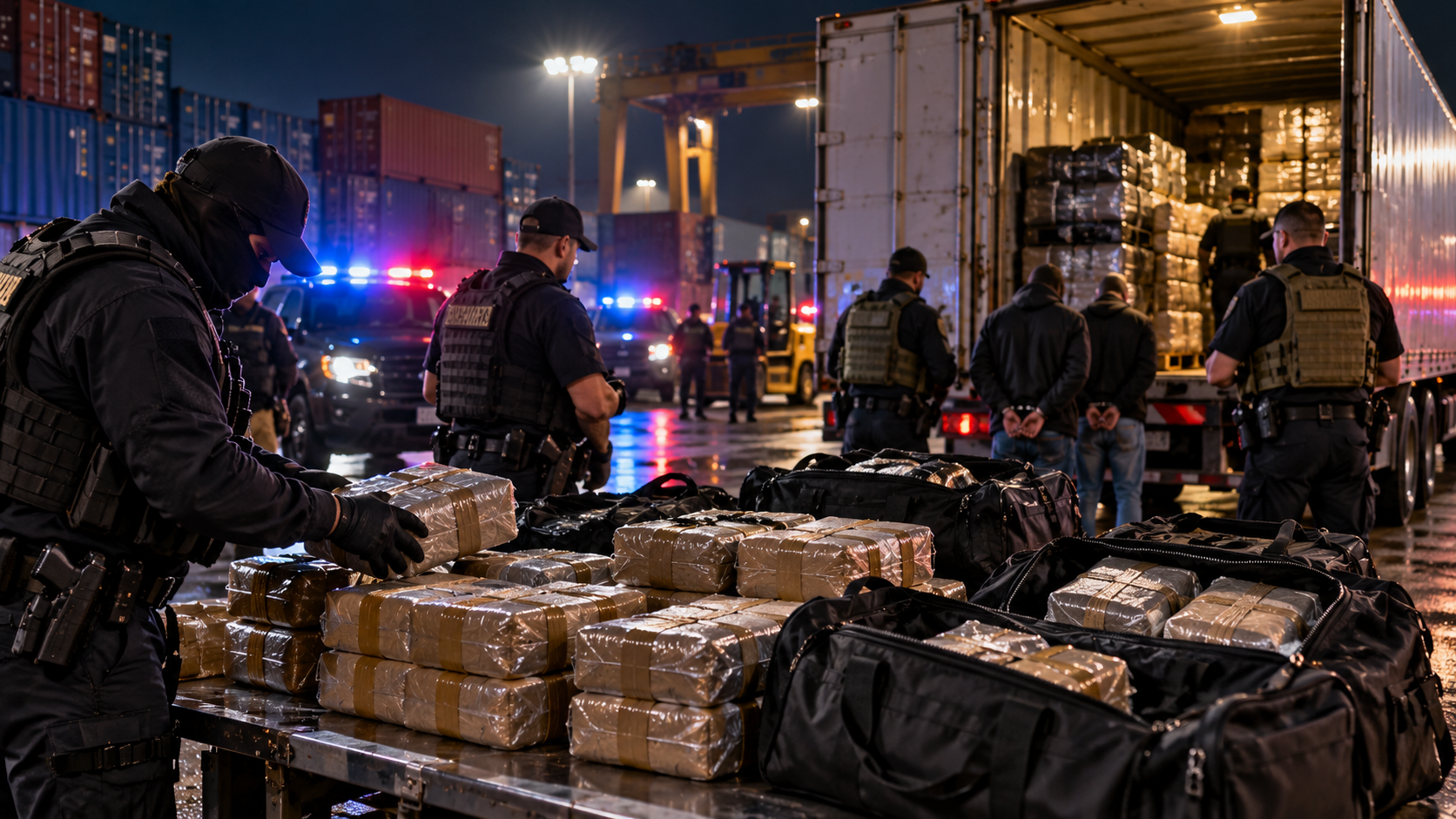
Miami sits at one of the busiest crossroads in the Western Hemisphere. Its international airport and seaport move enormous volumes of passengers and cargo every day, and that makes the region a regular focus for drug enforcement. People arrested here on trafficking allegations often discover that the case could be prosecuted in either state or federal court, and that the choice can change everything from the penalties to the way the case unfolds. Understanding the differences is one of the first steps toward making informed decisions.
What Counts as Trafficking
Trafficking is a more serious charge than simple possession, and it is defined mostly by quantity. Under Florida law, found in Florida Statutes section 893.135, a person can be charged with trafficking in cocaine for possessing 28 grams or more, which is roughly an ounce. Different thresholds apply to other substances, including cannabis, opioids, and methamphetamine. In many cases, the amount alone, rather than any proof of selling, can support the charge.
Weight matters because it triggers mandatory minimum prison terms and fines. In Florida, trafficking in 28 to 200 grams of cocaine carries a three year minimum term, and larger amounts bring seven year and fifteen year minimums. These sentences apply regardless of a person’s background, which gives prosecutors substantial leverage. The way a substance is weighed, whether it includes packaging or mixed materials, and whether lab testing was done properly can therefore become critical issues.
When a Case Goes to State Court
Most drug arrests in Miami start with local agencies such as city police or the sheriff’s office, and those cases are typically prosecuted by the state attorney. State court proceedings follow Florida’s criminal procedure, and the penalties are set by state statutes. Judges in state court may have more room to consider factors such as a defendant’s criminal history, employment, and family circumstances, although mandatory minimums still limit options when a trafficking charge applies.
State prosecutions often move faster than federal ones. Bail hearings, pretrial motions, and plea negotiations may happen within months. Florida law does include limited avenues for reduced sentences, such as when a person provides substantial assistance to law enforcement, but these require prosecutor approval and carry their own risks.
When a Case Goes to Federal Court
Federal prosecution is more likely when a case involves large quantities, interstate or international movement, a seaport or airport seizure, or an investigation led by agencies such as the Drug Enforcement Administration or Homeland Security Investigations. Miami’s position as a gateway makes federal involvement common. The agencies’ mission and investigative focus are described by the Drug Enforcement Administration, which works with state and local partners on large cases.
Federal law sets its own mandatory minimums. For example, trafficking in 500 grams or more of a mixture containing cocaine triggers a five year minimum under federal law, and 5 kilograms or more triggers a ten year minimum. Federal sentencing also relies on advisory guidelines that weigh the quantity, the defendant’s role, and criminal history, and there is no parole in the federal system, so most of a sentence is actually served.
Federal cases tend to be more document heavy and can involve wiretaps, informants, and conspiracy allegations that sweep in people who never touched the drugs. They also take longer, and the stakes are generally higher. Because the two systems can both claim authority over the same conduct, prosecutors sometimes decide which forum offers the better path to conviction.
Building a Defense in Either Forum
Whichever court takes the case, certain defense questions come up repeatedly. Was the stop or search lawful under the Fourth Amendment? Did officers have probable cause or a valid warrant? Can the prosecution prove that the person knew about and controlled the substance, a concept known as constructive possession? Was the evidence handled with an unbroken chain of custody, and did the lab results hold up? Each of these points can affect whether evidence is admitted or the case continues.
A representative of DMR Law explained that people facing trafficking allegations often wait too long to get advice, even though early steps can shape the outcome. A DMR Law drug trafficking defense lawyer can review the arrest, challenge the legality of a search, and discuss whether the case is likely to stay in state court or move to federal court.
The most important rule is to avoid discussing the case with investigators without legal advice. Statements made casually can be used later, and the early stage of an investigation is when guidance matters most. Trafficking charges are serious, but they are not the end of the story, and understanding the system is the first step toward protecting your rights.
