

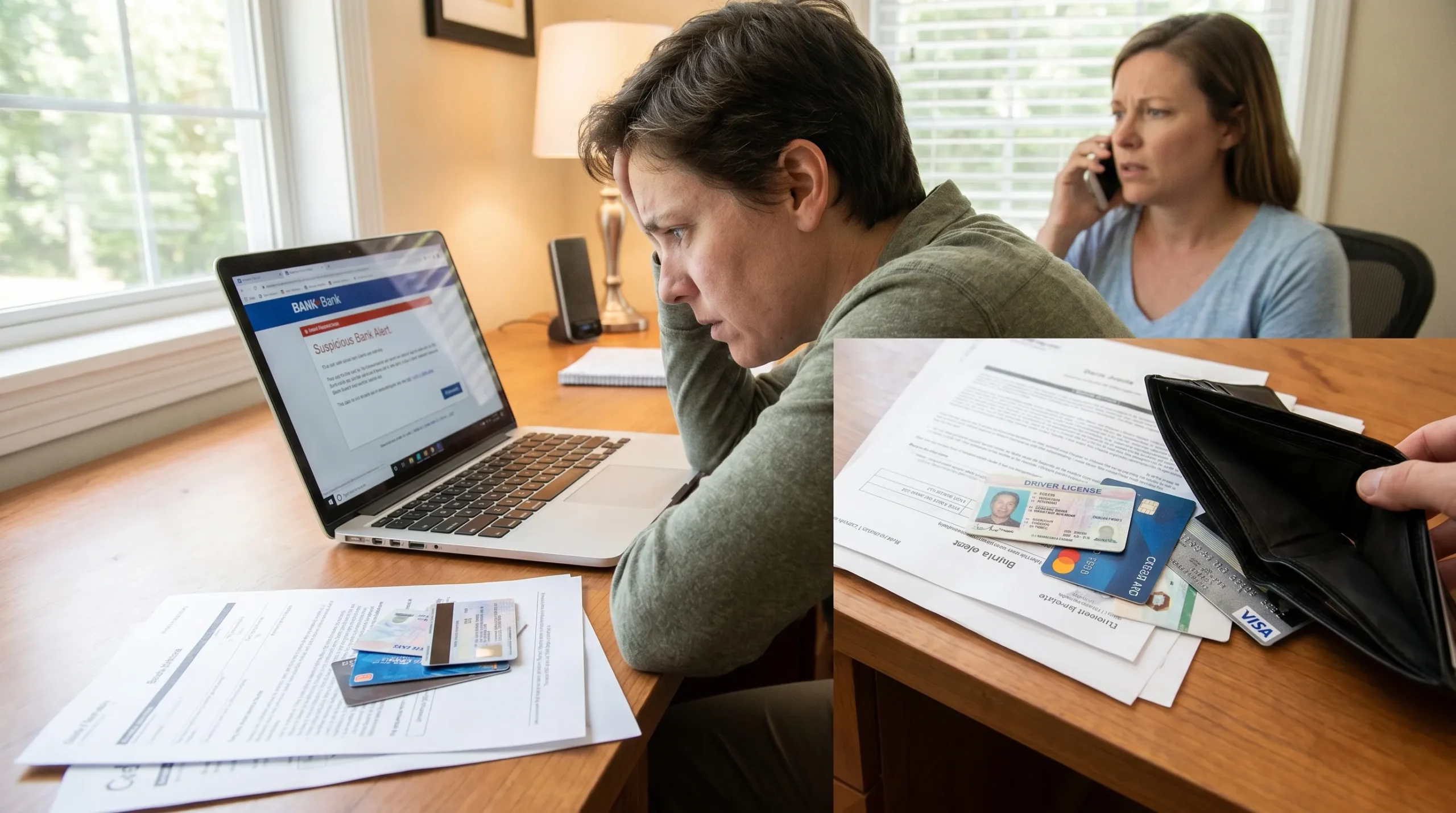
You work hard for your money and your name. Losing either one to a criminal hurts. Many people use the words financial fraud and identity theft as if they mean the same thing. They do not. You need to know the difference so you can spot danger fast and respond with strength. Financial fraud targets your accounts and your money. Identity theft targets who you are. Each crime brings its own risks, warning signs, and steps you must take. This blog explains those differences in clear terms. It also shares what you can do today to protect your accounts, your credit, and your reputation. If a crime has already touched your life, you can still take back control. For more legal insight on these crimes and your rights, you can visit mailletcriminallaw.com.
What Is Financial Fraud
Financial fraud is any crime that takes your money without your consent. The criminal may trick you, fool your bank, or use stolen card numbers. Your name and Social Security number may stay the same. Your balance does not.
Common forms of financial fraud include:
- Credit card charges you did not make
- Debit card withdrawals you did not approve
- Fake phone calls that pressure you to send money
- Phishing emails that steal your passwords
- Checks that someone alters or forges
In many cases, the criminal uses your existing accounts. You often notice when you log in, read a statement, or get a fraud alert. Federal law can limit what you lose if you act fast. The Federal Trade Commission explains these rights in its guidance on what to do if you were scammed.
What Is Identity Theft
Identity theft goes further. A criminal uses your personal data as if they are you. That can include your Social Security number, driver’s license number, medical ID, or online account logins.
With that data, a criminal might:
- Open new credit cards in your name
- Apply for loans or benefits using your Social Security number
- Use your health insurance for care
- File a fake tax return to steal your refund
- Use your name if they are arrested
Identity theft can haunt you for years. You may face debt collectors, denied loans, or mixed medical records. The harm touches your money, your record, and your peace of mind.
Key Differences At A Glance
| Question | Financial Fraud | Identity Theft
|
|---|---|---|
| What is targeted | Your existing accounts and money | Your personal data and identity |
| Typical crimes | Unauthorized charges or withdrawals | New accounts or records opened in your name |
| How you often notice | Account alerts or strange transactions | Debt notices, credit checks, or tax problems |
| Main harm | Direct loss from your accounts | Long term credit and record damage |
| Who you contact first | Your bank or card issuer | Credit bureaus and IdentityTheft.gov |
| Typical recovery time | Days or weeks if reported fast | Months or longer for full clean up |
Warning Signs You Should Not Ignore
You protect yourself when you act at the first hint of trouble. Watch for these signs.
Signs Of Financial Fraud
- Charges on your card that you do not recognize
- ATM withdrawals you did not make
- Texts or emails about purchases you did not place
- Account logins from locations you do not know
- Missing checks or new checks you did not order
Signs Of Identity Theft
- Bills in your name for accounts you did not open
- Debt collectors calling about debts that are not yours
- Notices from the IRS about more than one tax return
- Medical bills for care you never received
- New credit inquiries on your credit report
You can check your credit reports for free at least once a year through AnnualCreditReport.com. The Consumer Financial Protection Bureau explains this process in its guide on how to get your credit reports.
What To Do If You See Financial Fraud
Move fast. Every hour counts. Take these three steps.
- Contact your bank or card issuer. Report each suspicious charge or withdrawal. Ask them to lock or replace the card.
- Change passwords for your online accounts. Use strong, unique passwords for each account.
- Review recent account activity. Look back at least one to three months for other charges you missed.
Your bank may refund stolen money if you report in time. Federal rules often protect you from most card fraud. You still need to follow up and keep copies of every letter and email.
What To Do If You Suspect Identity Theft
Identity theft calls for more steps and more patience. You can still regain control. Start with this plan.
- Go to IdentityTheft.gov. This is the federal one stop resource run by the FTC. You can create a recovery plan and get sample letters.
- Place a fraud alert or credit freeze with the major credit bureaus. This makes it harder for thieves to open new accounts in your name.
- Close or correct any fake accounts. Call each company, explain that you are an identity theft victim, and send copies of your FTC report.
You may also need to file a police report if a creditor or insurer requests it. Keep a folder with every notice, letter, and email. That record helps you clear your name over time.
How To Protect Yourself And Your Family
You cannot remove all risk. You can lower it. Focus on three daily habits.
- Guard your data. Shred mail with account numbers. Limit what you share on social media. Store Social Security cards in a safe place.
- Secure your devices. Use strong passwords, multi factor login, and updated software on phones, tablets, and computers.
- Stay alert. Talk with children, teens, and older adults about common scams. Encourage them to ask before sending money or sharing data.
Criminals look for easy targets. When you build strong habits, you send a clear message that you are not one.
When You Need More Help
Sometimes fraud or identity theft grows beyond what you can handle alone. You may face large debts, repeated attacks, or threats from criminals. In those moments, outside help matters. Law enforcement, consumer protection agencies, and legal counsel can all support you.
You deserve safety, respect, and a clean name. With clear steps and steady action, you can protect your money and your identity, and you can start to feel secure again.
