

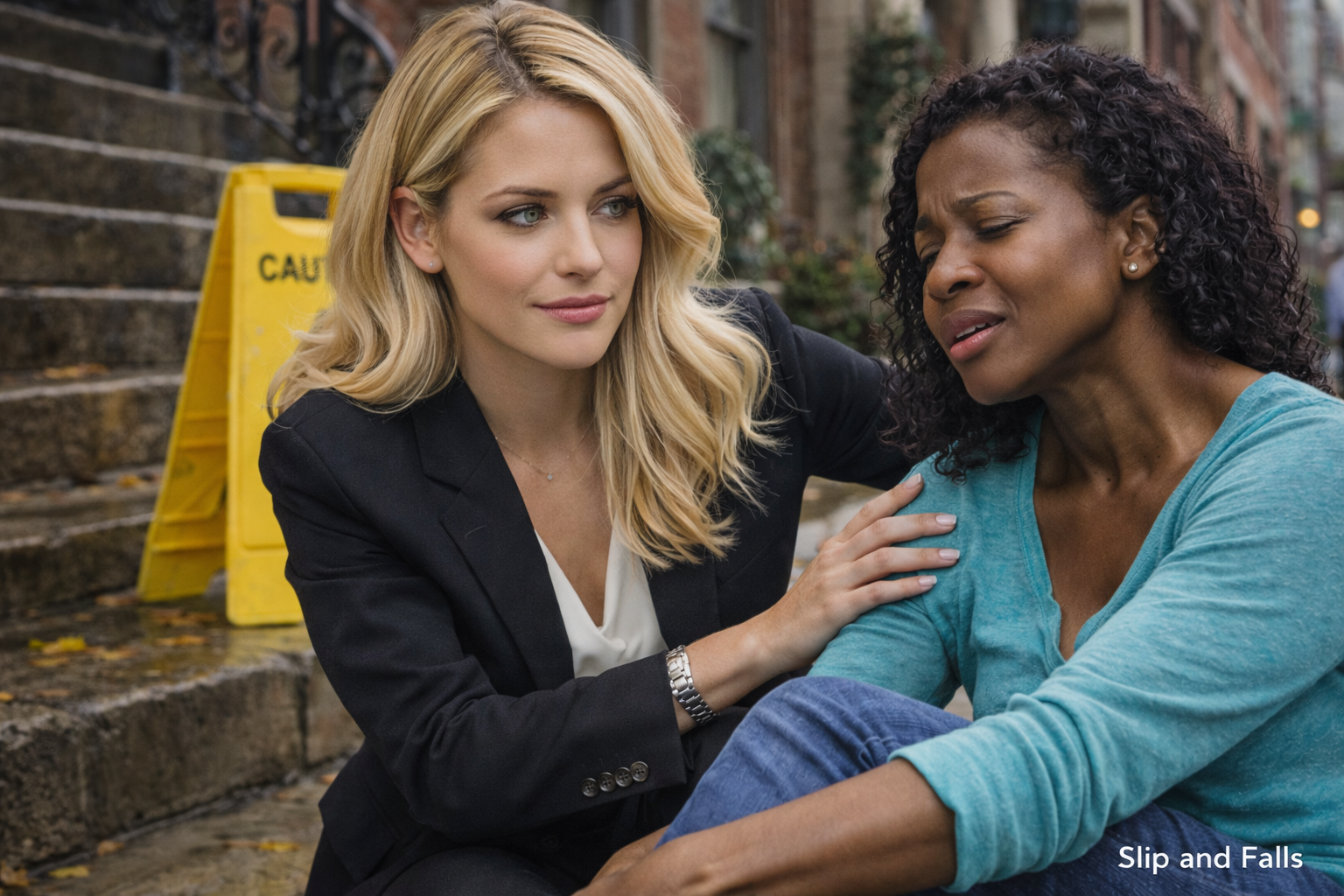
Atlanta’s historic neighborhoods are stunning. They are some of the most desirable places to live, work, and visit. From the stately homes near Grant Park to the brick-lined streets and renovated commercial spaces of Inman Park, these areas combine charm, walkability, and history. But beneath that appeal lies a reality many people don’t consider until someone gets hurt: aging infrastructure that can significantly increase the risk of slip and fall accidents.
Slip-and-fall incidents in historic areas often look different from those in newer developments. The hazards are less obvious, more familiar, and frequently dismissed as part of the neighborhood’s character. From an injury standpoint and a legal standpoint, however, those familiar conditions can raise serious questions about property owner responsibility.
Historic Buildings Were Not Designed for Modern Use
Many of Atlanta’s historic homes and commercial buildings were constructed long before modern building codes existed. While renovations may update kitchens, storefronts, or facades, core structural elements often remain unchanged. Foundations settle over time, materials wear down, and surfaces that were once safe slowly become hazardous.
Original hardwood floors can become slick after decades of foot traffic. Brick walkways may shift as tree roots grow underneath them. Staircases may have uneven riser heights or lack adequate handrails. These features are common in older buildings, and because they develop gradually, they’re often overlooked.
The problem is not simply age—it’s how these properties are used today. Increased foot traffic, commercial activity, and pedestrian tourism place new demands on infrastructure that was never designed to handle it.
Grant Park and the Risk of Everyday Wear
Grant Park has experienced steady growth in popularity, drawing residents, diners, and visitors year-round. With that growth comes increased use of sidewalks, porches, entryways, and common areas.
Many properties in the area still rely on original or minimally updated exterior features. Cracked steps, uneven thresholds, and sloped walkways are not unusual. These conditions may not look dangerous at a glance, but they can easily cause a fall, particularly for older visitors or anyone navigating wet surfaces.
From a premises liability perspective, higher pedestrian traffic increases the duty to inspect and maintain property. What might have been a low-risk condition decades ago can become legally significant when dozens or hundreds of people pass through the same space each day.
Inman Park’s Brick Streets and Sidewalks
Inman Park’s iconic brick sidewalks and historic commercial corridors are a defining feature of the neighborhood. Unfortunately, brick and stone are especially prone to uneven settling over time. Slight elevation changes between bricks may seem minor, but they are a common cause of trips and falls.
These hazards are often worsened by poor lighting, crowded conditions, or weather. At night or during rain, it can be difficult to see subtle changes in surface height. For businesses operating in historic buildings, this creates an ongoing challenge: preserving visual appeal while maintaining safe walking conditions.
Legally, the historic nature of a sidewalk or building does not eliminate responsibility. If a dangerous condition is foreseeable and correctable, courts typically expect reasonable steps to address it or warn visitors.
How Georgia Law Looks at Slip-and-Fall Claims
Under Georgia premises liability law, slip-and-fall cases usually hinge on two main issues: whether the property owner knew or should have known about the hazard, and whether the injured person exercised ordinary care for their own safety.
Historic properties can complicate this analysis. Long-standing defects often suggest that a condition existed long enough for an owner to discover and fix it. A loose stair tread or uneven walkway that’s been present for years is treated very differently than a sudden spill or unexpected obstruction.
Owners cannot rely on age alone as a defense. While certain preservation rules may limit major structural changes, they do not excuse unsafe conditions that could reasonably be mitigated.
Atlanta’s Climate Amplifies Older Hazards
Atlanta’s climate plays a significant role in slip-and-fall risk, particularly in historic areas. Frequent rain, high humidity, and seasonal temperature changes accelerate wear on older materials.
Wooden porches can become slick from moisture. Brick surfaces may develop moss or algae. Interior floors in older buildings can become dangerously smooth due to condensation and humidity. These conditions are predictable, which matters legally.
If a property predictably becomes hazardous during wet weather, owners are generally expected to take preventive measures. This may include improving drainage, adding non-slip coatings, increasing lighting, or placing warning signage during dangerous conditions.
Why Documentation Matters After a Fall
Slip-and-fall cases often turn on details. The condition of the surface, lighting levels, weather at the time, and the presence or absence of warnings can all be critical. In historic neighborhoods, where hazards may blend into the environment, documentation becomes even more important.
Photographs taken shortly after the incident, witness statements, and incident reports can help establish how long a condition existed and whether it was addressed appropriately. These facts are often decisive when determining liability.
An experienced Atlanta personal injury attorney can help assess whether a fall was truly unavoidable or the result of a property owner failing to address known risks associated with aging infrastructure.
Balancing Preservation and Public Safety
Atlanta’s historic neighborhoods deserve preservation, but preservation does not mean ignoring safety obligations. Property owners are expected to balance historic character with reasonable measures to protect visitors, tenants, and customers.
As Grant Park, Inman Park, and similar neighborhoods continue to attract more foot traffic, the risks associated with aging infrastructure will only increase. Proactive maintenance and thoughtful updates are not just good practice—they are essential for reducing legal exposure and preventing serious injuries.
When Atlanta’s History Creates Modern Liability Concerns
Slip-and-fall accidents in Atlanta’s historic neighborhoods are rarely just bad luck. More often, they result from aging infrastructure meeting modern use without adequate attention to safety.
Understanding how historic conditions intersect with premises liability law is crucial for both property owners and injured individuals. Atlanta’s past gives these neighborhoods their charm. Ensuring safe access is what allows that charm to be enjoyed without unnecessary harm.
