

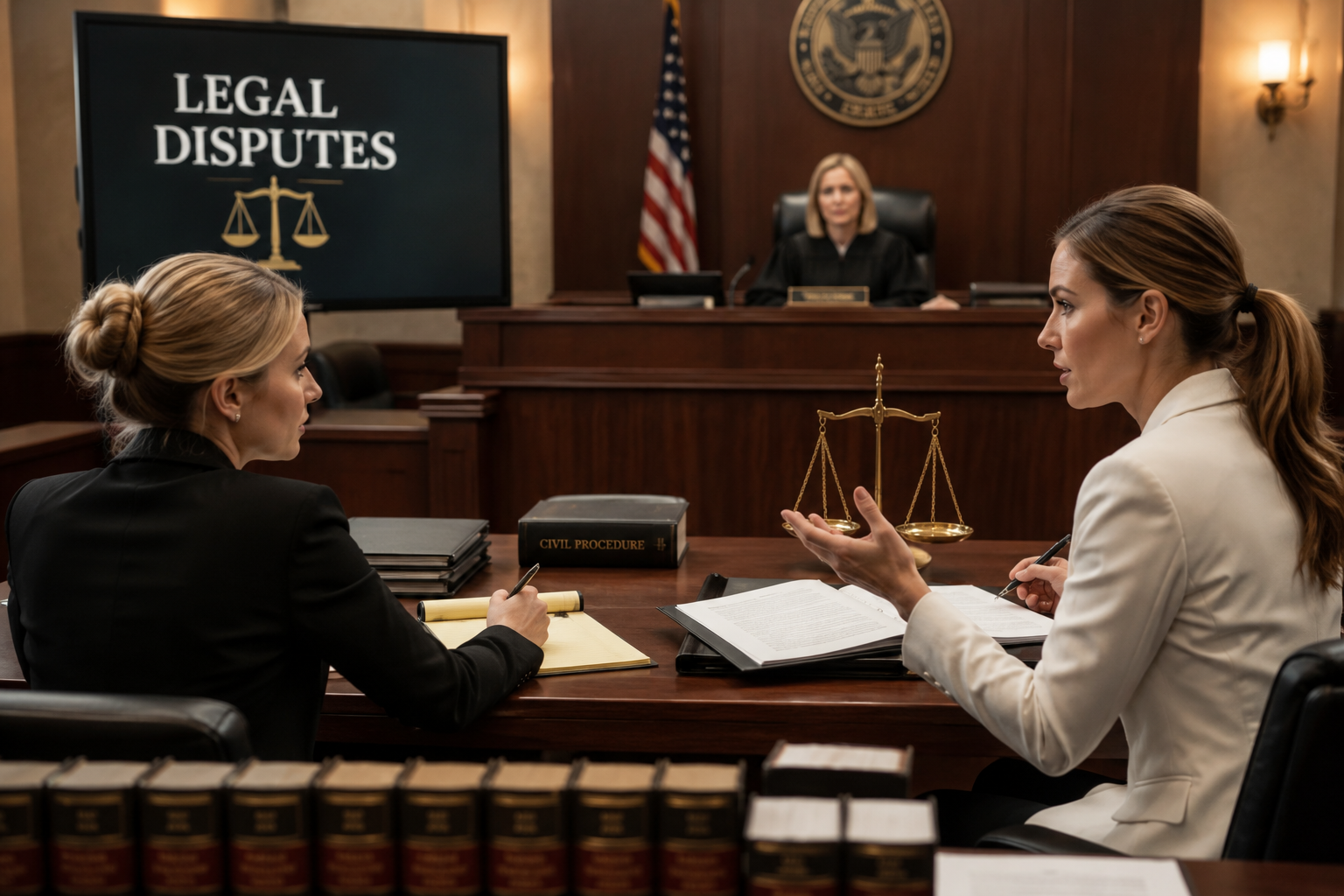
Texas is a state built on growth, commerce, and opportunity, but those opportunities often bring legal disputes that affect individuals, families, and businesses alike. Whether the issue involves a personal injury claim, a contract dispute, property damage, or another legal conflict, the strength of a case often depends on the quality of the evidence supporting it. Many people focus on resolving the immediate problem without realizing how quickly valuable information can disappear.
In a state as large and fast-moving as Texas, important records, physical evidence, and digital data can be lost long before a case reaches negotiations or the courtroom. Understanding the role evidence plays in a legal matter is essential for anyone hoping to protect their rights and pursue a fair outcome. For those facing a dispute and seeking experienced legal representation in Houston, knowing how and why evidence should be preserved can make a significant difference in the path a case ultimately takes.
Evidence Can Disappear Fast
Loss rarely happens through drama. A store may recycle surveillance footage within days. A vehicle might be cleaned, fixed, or sold before anyone records its condition. Rain can alter a scene, and workers may remove broken materials during ordinary cleanup. Each change strips away context that could explain timing, fault, or the extent of harm. Preservation keeps the record closer to the original event.
Physical Items Need Protection
Objects often speak with unusual clarity. Torn fabric, cracked equipment, damaged packaging, or a failed component may reveal force, wear, impact, or a product defect. Those items should be stored carefully, labeled, and left unchanged whenever possible. Casual handling can destroy residue, fracture patterns, or surface marks. Once those details are gone, later opinions may rest on guesswork rather than observable facts.
Digital Records Matter Just as Much
Many modern disputes depend on electronic records. Emails, text messages, call logs, app data, and cloud documents can establish sequence, notice, or intent. Original files usually carry stronger value than screenshots because they preserve metadata, including creation dates and edits. Device backups also matter. Preserving account access, storage media, and full message threads can prevent gaps that later cast doubt on authenticity.
Photos Create a Useful Timeline
Photographs help decision makers see conditions that spoken accounts may blur. A useful set begins with wide views, then moves closer to damage, measurements, and nearby identifying features. Repeated images over several days can show swelling, deterioration, cleanup, or repair activity. Lighting, weather, and timestamps also matter. A strong visual sequence often supports testimony by helping fix details captured at the scene in memory.
Witness Accounts Fade Quickly
Memory changes faster than most people expect. A witness may clearly recall speed, sound, distance, weather, or a statement heard at the scene, yet those details can soften within a short period. Prompt written summaries preserve fresh recollections before later conversations influence them. Names, phone numbers, and addresses should also be secured early. Even willing witnesses may later become difficult to locate.
Chain of Custody Builds Trust
Preserved material carries greater weight when handling can be traced from collection onward. A simple log should record who found the item, where it was stored, who accessed it, and whether testing occurred. That history supports authenticity and reduces suspicion about tampering or substitution. Judges often focus on reliability as much as content. Clear tracking provides strong evidence of a cleaner path into the record.
Formal Preservation Steps Help
Once litigation appears likely, formal preservation measures become important. A written notice may ask another party to retain messages, footage, maintenance records, or damaged property connected to the dispute. Businesses may also issue internal hold instructions that pause deletion practices affecting mailboxes, logs, or server data. Those actions create accountability. Without them, ordinary document destruction can continue until useful proof disappears.
Common Mistakes to Avoid
Several errors can occur. People throw away damaged property, replace a phone, post online about the incident, or trust memory instead of making notes. Others save a screenshot while losing the original file and its metadata. Some assume an insurer, landlord, or employer will keep everything important. That belief can fail quickly. The resolution process requires attention, order, and prompt follow-through.
Conclusion
Preserving evidence is one of the most practical steps available during a legal dispute. Reliable records help counsel assess claims, question witnesses, evaluate settlements, and present facts with confidence if a trial becomes necessary. Missing proof creates uncertainty that can harm even a valid position. Careful collection, storage, and documentation provide the dispute with a firmer factual basis. In many cases, preserved evidence separates a clear showing from lingering doubt.
