


The Foundation of Modern Litigation: Legal Holds and Data Preservation

The legal landscape can often feel like a complex and unpredictable terrain, presenting significant hurdles for individuals and organizations alike. Whether you are an individual confronting personal disputes or a business managing intricate compliance, understanding the legal system is crucial for safeguarding your interests. We know that these challenges are widespread; for instance, some legal service organizations report tens of thousands of crisis contacts annually, and a significant portion of those seeking help lack affordable representation. Our comprehensive guide is designed to empower you with the knowledge and strategies needed to navigate these complexities successfully.

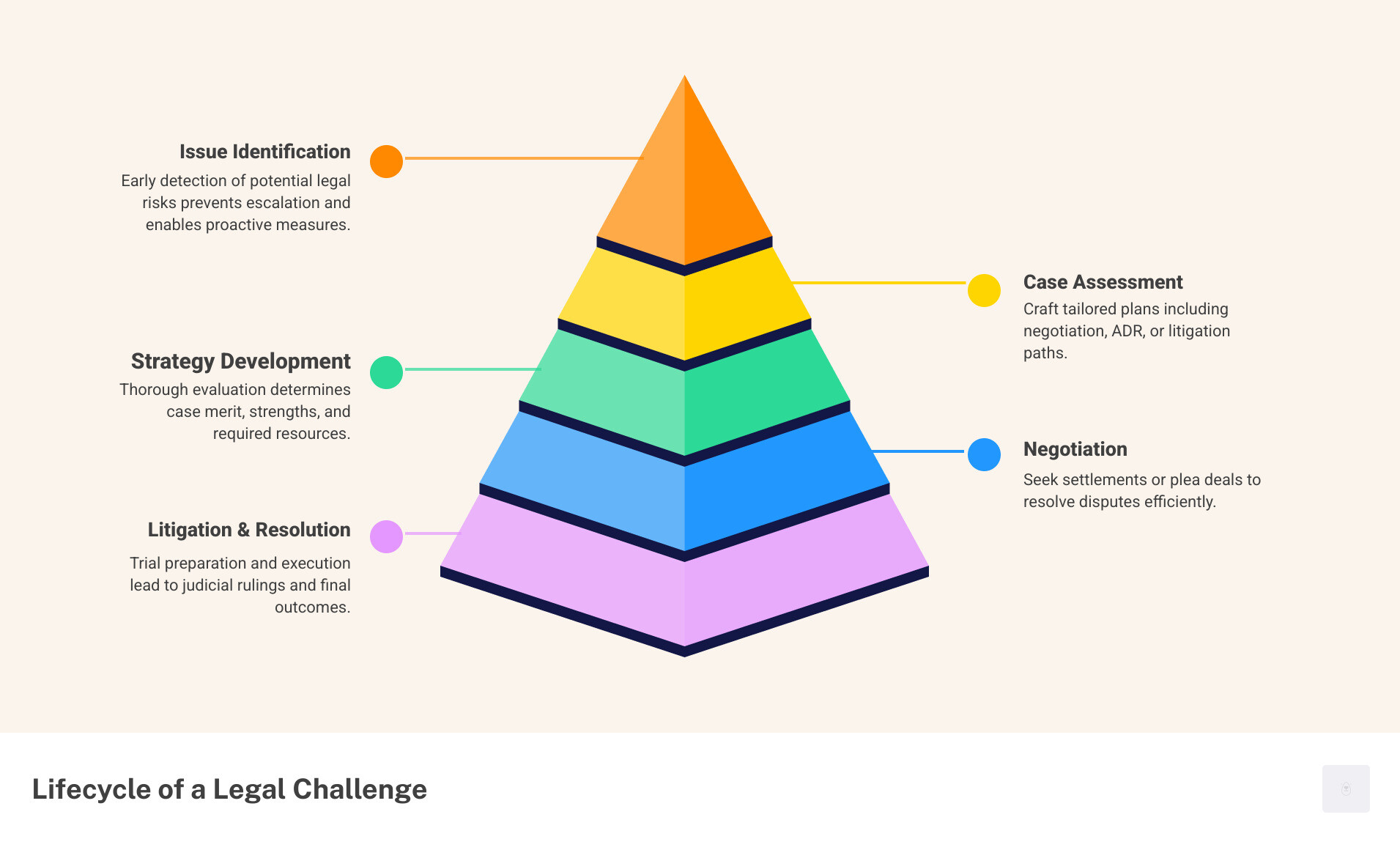
We will delve into various facets of the legal journey. This includes the essential role of legal holds in data preservation and how to overcome technological and compliance hurdles. We will also cover common legal pitfalls for businesses, from contract disputes to intellectual property protection, and best practices for professional investigators. For those facing personal injury matters, understanding specific areas like navigating motorcycle accident challenges is vital. Furthermore, we will explore the critical function of skilled legal defense in criminal matters, including protecting rights and negotiating pleas. We will also examine macro trends reshaping legal practice and practical strategies for proactive risk management. We aim to provide a clear roadmap through the lifecycle of any legal challenge, helping you mitigate risks, understand judicial rulings, and achieve favorable outcomes.
The concept of a “legal hold” has become a cornerstone of modern litigation. A legal hold, also known as a litigation hold, is a critical process by which an organization must preserve all relevant information—both physical and electronic—when litigation is reasonably anticipated. This includes a vast array of electronically stored information (ESI) such as emails, instant messages, digital documents, databases, and even metadata. The primary purpose of a legal hold is to prevent the spoliation of evidence, which is the intentional or unintentional destruction or alteration of information relevant to a legal case. Failure to implement a proper legal hold can lead to severe consequences, including hefty financial fines, adverse inferences against the organization in court, and significant reputational damage.
The importance of legal holds extends beyond mere compliance; it is a strategic imperative. By ensuring that all potentially relevant data is preserved, organizations can streamline the discovery process, reduce overall litigation costs, and minimize the risk of adverse judgments. However, establishing and maintaining an effective legal hold system is often challenging. Many organizations grapple with technology limitations, such as a lack of pre-built integrations with their existing IT systems, insufficient configurability to adapt to unique case requirements, and a general absence of automation. These limitations often lead to manual errors, inefficiencies, and gaps in preservation.
Compliance issues further complicate the landscape, particularly amid the proliferation of global data privacy regulations such as the General Data Protection Regulation (GDPR) and the California Consumer Privacy Act (CCPA). These laws introduce complex requirements for data handling, storage, and access, which must be carefully balanced with the demands of a legal hold. Without clear best practices, organizations can find themselves in a precarious position, struggling to meet both their preservation obligations and their privacy commitments. The steps to effectively manage a legal hold typically involve:
- Assessing Needs: Identifying data types, legal requirements, and potential risks.
- Developing a Policy: Creating a comprehensive legal hold policy defining triggers, scope, roles, and preservation procedures.
- Communicating Requirements: Ensuring all custodians are aware of their obligations through clear instructions and regular training.
- Implementing Solutions: Utilizing tools like legal hold software to automate and manage the process.
- Monitoring Compliance: Conducting periodic audits and reviews to ensure adherence and adapt to changes.
Legal hold software offers significant benefits by automating many of these intricate processes. It can manage notifications, track custodian compliance, and integrate with IT systems for defensible data preservation. This automation not only reduces human error but also saves substantial time and resources, enabling organizations to respond to legal inquiries more efficiently and effectively.
Overcoming Technology and Compliance Hurdles
The journey to a robust legal hold process often involves overcoming significant technological and compliance hurdles. Manual errors are a persistent threat when legal holds rely on fragmented systems and human intervention. The absence of automated workflows for issuing, tracking, and releasing legal holds can lead to missed deadlines, incomplete data collection, and ultimately, defensibility issues.
Furthermore, the complexities introduced by global data privacy laws cannot be overstated. Organizations operating across different jurisdictions must navigate a labyrinth of regulations, ensuring that data preserved for legal purposes does not inadvertently violate privacy rights in another region. This demands sophisticated information governance strategies that can differentiate between data types, apply appropriate retention policies, and manage cross-border data transfers securely. Legal hold software that offers robust configurability and automated notifications can be instrumental here, allowing for granular control over what data is held, for how long, and by whom, while respecting privacy mandates. Such solutions provide an audit trail that demonstrates due diligence and compliance, which is invaluable in a legal challenge. They help bridge the gap between legal obligations and technological capabilities, enabling organizations to manage their data preservation responsibilities confidently.
Navigating Legal Challenges in Business and Digital Communities
Businesses and online communities, regardless of their size or sector, are constantly exposed to a myriad of legal challenges. These can range from foundational issues such as contract disputes to complex concerns related to data privacy and intellectual property (IP) protection. For instance, vague or poorly drafted user agreements and terms of service can become breeding grounds for litigation, turning what should be a clear “handshake” into a legal riddle. Similarly, intellectual property infringement, whether it’s copyright, trademark, or patent violations, can jeopardize a business’s core assets and competitive edge.
Data privacy is another critical area, especially given the ongoing evolution of regulations such as GDPR and CCPA. Organizations must not only protect user data from breaches but also ensure their collection, storage, and usage practices comply with these stringent laws. Cybersecurity threats, if not adequately addressed, can lead to devastating data breaches, resulting in severe financial penalties and irreparable damage to reputation. Employment law also presents frequent pitfalls, including issues related to role clarification, anti-bias policies, and fair wages. Missteps in these areas can lead to costly lawsuits and a hostile work environment.
To avoid these common legal challenges, proactive measures are paramount. Clear communication, both internally and externally, helps set expectations and prevent misunderstandings that could escalate into legal disputes. Strong documentation, including meticulously drafted contracts, policies, and records of all interactions, is a crucial defense against any legal challenge. Leveraging legal tech tools can also significantly streamline compliance efforts by providing solutions for contract management, privacy policy generation, and regulatory tracking. Many firms, for example, utilize webinars to guide individuals through the customer lifecycle, demonstrating a commitment to transparency and education.
When disputes arise, alternative dispute resolution (ADR) methods such as negotiation and mediation offer valuable alternatives to litigation. These approaches can be less adversarial, more cost-effective, and quicker than traditional court proceedings. Thorough documentation is particularly vital in ADR, as it provides the factual basis for negotiations and helps parties reach mutually agreeable solutions before resorting to expensive and time-consuming court battles. For example, in contract disputes and employment matters, detailed records significantly influence resolutions.
Feature Alternative Dispute Resolution (ADR) Litigation Process Mediation, arbitration, negotiation Court trial, formal hearings Control Parties retain more control over outcome Judge/jury decides outcome Cost Generally lower Generally higher (court fees, extensive discovery, attorney fees) Time Faster resolution Can be lengthy, spanning months or years Confidentiality Often confidential Public record Relationship Preserves relationships, collaborative Adversarial, often damages relationships Outcome Mutually agreeable solutions Binding court judgment Formality Less formal Highly formal, strict rules of evidence and procedure Flexibility High flexibility in solutions Limited to legal remedies Enforceability Mediation agreements can be non-binding; Arbitration awards are binding Court judgments are legally binding and enforceable Best Practices for Navigating Legal Challenges in Investigations.
Professional investigators, particularly in regions with stringent regulatory frameworks like the UK, face unique legal challenges. These encompass navigating complex privacy laws, adhering to strict surveillance regulations, ensuring robust data protection, and meticulously managing evidence gathering. For instance, the Regulation of Investigatory Powers Act 2000 (RIPA) in the UK mandates specific provisions for surveillance conducted by public bodies, and investigators must ensure their actions are proportionate and compliant.
Data protection is another critical aspect, requiring investigators to implement internal policies for secure data storage and to adhere to the “data minimization” principle, which means personal data should not be kept longer than necessary for the investigation. Maintaining objectivity and adhering to strict codes of conduct, such as those set by the Association of British Investigators (ABI), are paramount for upholding the integrity of findings. Furthermore, confidentiality agreements with clients and subcontractors are essential to protect sensitive information. When faced with complex legalities, seeking guidance from professional bodies or legal counsel is crucial. For example, if you are a professional investigator handling complex personal injury cases, understanding the nuances of how to approach and document such cases is key. This is similar to how a personal injury firm might specialize in navigating motorcycle accident challenges, where specific legal precedents and evidence collection methods apply. Adhering to these best practices not only ensures legal compliance but also enhances the credibility and effectiveness of investigative work.
Strategic Advocacy and Defense in Complex Cases
Facing criminal charges can be one of the most stressful experiences in a person’s life, underscoring the crucial role of a skilled criminal defense lawyer. Their expertise is not merely about courtroom theatrics; it’s about strategic advocacy at every stage of the legal process. From the moment an individual is under investigation, a defense lawyer acts as a bulwark against potential overreach by law enforcement. They ensure that proper protocols are followed during investigations and arrests, actively working to prevent illegally obtained evidence from being used against their client. This vigilance in upholding constitutional rights is fundamental to a fair legal process.
Beyond protecting fundamental rights, a criminal defense lawyer plays a pivotal role in crafting a strategic defense tailored to each case’s unique circumstances. This involves a thorough case assessment, analyzing all facets of the evidence, identifying weaknesses in the prosecution’s argument, and developing a robust counter-narrative. Many criminal cases, in fact, conclude through plea agreements rather than trials. In these situations, a skilled lawyer’s negotiation prowess is invaluable. They engage with the prosecution to negotiate plea deals, aiming to reduce charges or penalties, often securing more favorable outcomes than an individual might achieve on their own.
Should a case proceed to trial, the lawyer’s role shifts to trial representation. This encompasses everything from jury selection and presenting persuasive arguments to cross-examining witnesses and challenging the prosecution’s case. Their ability to articulate complex legal concepts and present evidence compellingly is critical to influencing the judge and jury. The entire process hinges on early issue identification, professional counsel, and meticulous record-keeping. These elements collectively contribute to achieving favorable legal outcomes, whether through dismissal, acquittal, or a mitigated sentence. For individuals seeking Tennessee legal guidance in criminal matters, the importance of engaging a lawyer who understands the state’s specific laws and court procedures cannot be overstated.
The Role of Skilled Representation in Criminal Matters
The comprehensive support offered by a skilled criminal defense lawyer spans the entire legal process, from initial investigation to potential appeals. Their primary objective is to safeguard their clients’ rights, ensuring that every interaction with the legal system adheres to due process. This includes meticulously scrutinizing law enforcement protocols, such as proper search-and-seizure procedures and Miranda warnings, to prevent the use of illegally obtained evidence. Without such vigilance, a client’s case could be severely compromised.
Moreover, these legal professionals are adept at formulating tailored defense strategies. They analyze every piece of evidence, interview witnesses, and consult with experts to build the strongest possible case. This strategic approach is crucial for navigating the complexities of criminal law. When cases don’t go to trial, a significant portion are resolved through plea negotiations. Here, the lawyer’s expertise in bargaining with prosecutors to reduce charges or penalties is vital. They understand the nuances of the legal system and can advocate effectively for their client’s best interests, often securing outcomes that avoid the harshest consequences. Finally, for cases that do proceed to trial, a skilled lawyer is prepared for rigorous representation. This involves presenting a persuasive narrative, effectively cross-examining prosecution witnesses, and challenging the state’s evidence to secure an acquittal or a more favorable verdict. Their comprehensive support is truly essential for effectively navigating the often-overwhelming landscape of criminal charges.
Proactive Risk Management and Macro Trends
The legal profession is in a constant state of flux, driven by macro trends that reshape its very practice. Mid-level professionals, in particular, must adapt to these shifts to ensure career longevity and advancement. Key among these trends are the rapid advancements in legal technology, the increasing demand for business acumen, the growing emphasis on diversity, equity, and inclusion (DEI), and the complexities introduced by globalization and regulatory intricacy.
Legal technology, encompassing automation, artificial intelligence (AI), and data analytics, has revolutionized how legal tasks are performed. From streamlining document review to predicting litigation outcomes, these tools enhance efficiency and inform strategic decisions. However, traditional legal education often falls short in preparing professionals for this technological integration, creating skill gaps that must be proactively addressed through specialized learning. Similarly, the expectation that legal professionals, especially in-house counsel, act as strategic business partners rather than mere legal advisors necessitates a strong understanding of financial metrics and business strategy.
DEI initiatives are no longer optional; clients and companies alike demand them, making it imperative for professionals to champion inclusive practices and foster diverse talent. Globalization, with its intricate web of cross-border transactions and multi-jurisdictional compliance requirements, demands a global perspective and adaptability to diverse legal frameworks. These trends collectively highlight the need for continuous learning, networking, and leadership development, even without a formal title.
For individuals and businesses alike, navigating these challenges successfully requires practical strategies centered on proactive risk management. This involves:
- Seeking Expert Guidance: Consulting experienced legal professionals for tailored advice and strategic insights.
- Risk Assessment: Identifying potential legal risks, analyzing their implications, and preparing contingency plans.
- Negotiation Skills: Mastering the art of negotiation to resolve disputes collaboratively and avoid protracted litigation.
- Leveraging Technology: Utilizing legal tech tools for compliance, document management, and efficient case handling.
- Ethical Compliance: Prioritizing integrity and confidentiality in all legal dealings.
- Adaptability: Remaining flexible and responsive to changing legal landscapes and new regulations.
- Support Networks: Building strong professional and personal support systems, including mentors and peers.
By embracing these strategies, organizations and individuals can not only mitigate immediate risks but also position themselves for long-term success in an ever-evolving legal environment. Staying informed on recent legal trends, judicial rulings, and evolving legal theories is crucial, much like continuously updating one’s knowledge base.
How can individuals start Navigating Legal Challenges effectively?
For individuals navigating legal challenges, a structured and proactive approach is key. The first step is to seek expert guidance from seasoned legal professionals. This is not merely about hiring a lawyer for representation, but about leveraging their depth of knowledge and experience to understand the legal landscape, assess the merits of your case, and receive tailored advice. This initial consultation can illuminate the path forward and help manage expectations.
Secondly, thorough documentation is paramount. Every relevant piece of information, from contracts and communications to medical records and financial statements, should be meticulously collected and organized. Comprehensive records serve as essential evidence and provide a clear timeline of events, significantly strengthening your position whether you are negotiating a settlement or preparing for litigation.
Negotiation skills are also invaluable. Many legal issues can be resolved outside of court through effective negotiation, saving time, resources, and emotional toll. This involves understanding your own interests, anticipating the other party’s position, and seeking mutually beneficial solutions. Building a strong support network, including trusted advisors and personal contacts, can provide emotional resilience and practical advice during stressful times.
Maintaining composure under pressure is another critical skill. Legal challenges can be emotionally draining, but making rational decisions requires a calm and collected approach. Finally, always consider the long-term implications of any legal strategy. What might seem like an immediate win could have unintended consequences down the line. By focusing on sustainable solutions and leveraging available resources, including potential resource mobilization for broader systemic reform if warranted, individuals can effectively navigate their legal challenges.
Frequently Asked Questions about Navigating Legal Challenges
Why is early issue identification critical for success?
Early issue identification is critical for success because it allows individuals and businesses to gain a comprehensive understanding of the matter, the applicable legal structures, and potential implications before they escalate. By pinpointing core issues accurately and promptly, we can develop customized strategic plans tailored to specific circumstances. This proactive approach enables a thorough assessment of the case’s merits, facilitates the timely collection of evidence, and often leads to more favorable outcomes while potentially reducing costs and minimizing disruption. It allows for the exploration of various resolution paths, including alternative dispute resolution, before positions become entrenched.
How can technology assist in AI debt legal defense?
Technology, particularly legal tech platforms, can significantly assist in AI debt legal defense by leveraging automation and data analytics. These tools can streamline the analysis of large volumes of debt-related documents, identify patterns, and flag potential legal issues or discrepancies in debt claims. Automation can handle repetitive tasks such as document organization, compliance tracking, and response generation, increasing efficiency and accuracy. Data analytics can provide insights into common debt collection practices, identify predatory lending, or uncover violations of consumer protection laws, empowering individuals and their legal teams to build stronger defenses. This technological leverage can make legal defense more accessible and effective, especially for complex or high-volume debt cases.
What are the primary benefits of Alternative Dispute Resolution?
Alternative Dispute Resolution (ADR) offers several primary benefits over traditional litigation. Firstly, ADR methods like mediation and arbitration are typically more cost-effective than going to court, as they often involve fewer fees and shorter processes. Secondly, they usually lead to faster resolutions, avoiding the lengthy delays often associated with court schedules. Thirdly, ADR fosters collaborative problem-solving, encouraging parties to work together to find mutually agreeable solutions, which can help preserve relationships, particularly important in business or family disputes. ADR processes are generally less adversarial and more flexible, allowing for creative solutions that a court might not be able to order. Finally, many ADR proceedings are confidential, protecting sensitive information from public disclosure, unlike court records, which are typically public.
Conclusion
Navigating the complex and ever-evolving legal landscape demands a combination of strategic foresight, professional guidance, and a proactive mindset. From the meticulous requirements of legal holds and data preservation to the intricate challenges businesses face and the critical need for skilled criminal defense, each legal scenario presents its own set of complexities. We have seen how macro trends like legal technology, business acumen, DEI, and globalization are reshaping legal practice, underscoring the importance of continuous adaptation and specialized learning for professionals.
For individuals and organizations alike, the path to successfully overcoming legal challenges hinges on early issue identification, seeking expert counsel, employing effective negotiation skills, and leveraging technology. Maintaining ethical integrity, building robust support networks, and fostering adaptability are not just best practices but essential pillars for resilience. By embracing these principles, we can approach legal hurdles with greater confidence, make informed decisions, and ultimately achieve favorable outcomes within the justice system, safeguarding our interests and ensuring long-term success.
