

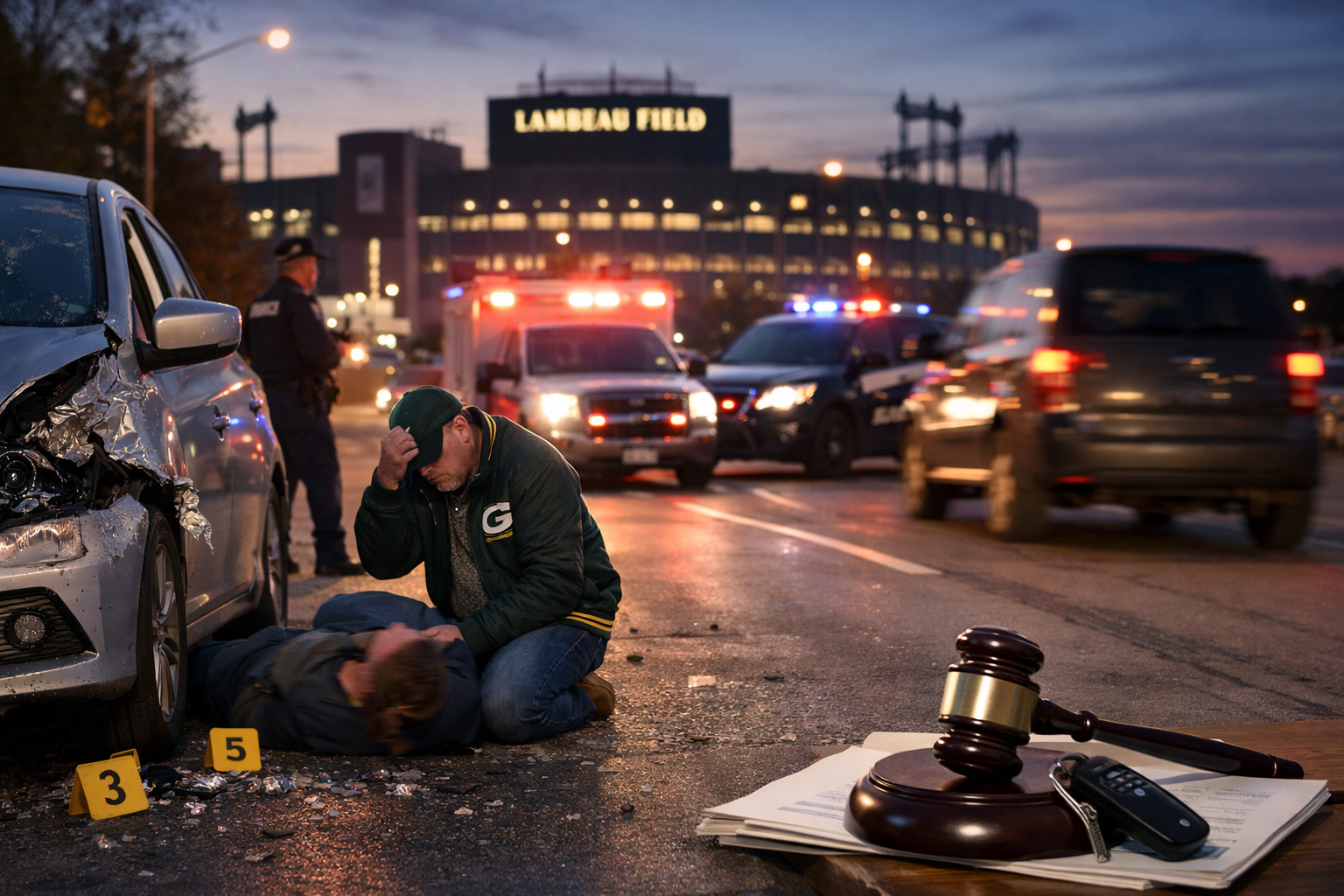
A hit-and-run crash in Green Bay leaves more than a dent in your car. It can tear through your sense of safety. One moment you are driving home. The next, the other driver is gone and you are left with pain, bills, and questions. You might wonder if you can sue when you do not know who hit you. You might feel ignored by insurance and unsure what to say to police. This confusion is common after a hit-and-run. Yet you still have rights. Wisconsin law gives you paths to money for medical care, lost wages, and damage to your car. A Green Bay car accident lawyer can explain those options, deal with insurance, and help you act before deadlines close your case. This blog explains when you can sue, who you can sue, and what to do next after a Green Bay hit-and-run.
What “Hit-and-Run” Means In Wisconsin
Wisconsin law requires drivers to stop, give their name and insurance, and help anyone hurt. When a driver hits you and leaves, that is a hit-and-run. It is a crime. It is also a civil wrong that can lead to a claim for money.
Even if police never find the driver, the crash still counts as a covered traffic crash. You still have options through your own insurance and sometimes through claims against other parties who share blame.
Who You Can Sue After A Hit-and-Run
You may not know who hit you. You can still seek payment from:
- Your own uninsured motorist coverage
- Your medical payments coverage
- Your collision coverage for car damage
- A known driver if police find the car and identify the person
- A negligent employer if the hit-and-run driver was working
- A bar or restaurant in rare drunk driving cases under Wisconsin law
You sue the at-fault driver if that person is found. You make an insurance claim when you cannot sue a driver directly. Both can move at the same time.
First Steps Right After The Crash
Your actions in the first hours shape your claim. You protect your health and your case when you:
- Call 911 and ask for police and medical help
- Stay at the scene and move to a safe spot
- Write down details about the fleeing car and driver
- Look for cameras on homes, stores, or buses nearby
- Ask witnesses for names and phone numbers
- Take photos of your car, the road, and your injuries
- Tell your insurer about the crash right away
The police report matters. The Wisconsin Department of Transportation explains that reports help track crashes and support insurance claims. You can review guidance on crash reporting at the WisDOT crash data and reporting page.
Insurance Claims After A Green Bay Hit-and-Run
Most hit-and-run cases start with your own policy. Here is how common coverages work.
| Coverage Type | What It Can Pay For | When It Applies In A Hit-and-Run
|
|---|---|---|
| Uninsured Motorist | Medical care, pain, lost income | Fleeing driver is unknown or has no insurance |
| Medical Payments | Medical bills for you and riders | Crash causes injury, no need to prove fault |
| Collision | Repair or replacement of your car | Your car is damaged, no matter who is at fault |
| Health Insurance | Ongoing treatment and rehab | After auto coverage is used or at the same time |
You may need to give a statement. You may also face a denial or a low offer. You have the right to question that and submit more proof. You can also ask for help with the process.
When You Can Sue The Hit-and-Run Driver
You can sue the driver if police track the car and prove who was driving. You must show three things.
- The driver had a duty to drive with care
- The driver broke that duty and caused the crash
- You suffered harm as a result
Police work, witness reports, video, and crash experts can support your case. You file the lawsuit in Wisconsin civil court. The driver’s insurance usually defends the case.
What You Might Recover
Money cannot undo what happened. It can ease the pressure on your body and your home. You may seek payment for:
- Emergency care and hospital stays
- Doctor visits and therapy
- Medicine and medical devices
- Lost wages and lost future income
- Car repair or replacement
- Physical pain and emotional distress
In rare cases, a court may grant extra money as punishment when conduct is extreme. Hit-and-run can support that in some cases.
Deadlines You Cannot Ignore
Wisconsin has time limits for injury lawsuits. If you miss them, the court can throw out your case. That includes hit-and-run crashes. The Wisconsin Court System explains how civil cases work and why deadlines matter on its self help civil cases page.
Insurance policies also have notice rules. You often must report an uninsured motorist claim within a set time. If you wait, the insurer may deny payment. You protect yourself when you act soon after the crash.
How A Lawyer Helps You And Your Family
A Green Bay car accident lawyer can step in while you heal. You stay focused on your health and home. The lawyer can:
- Collect police reports, video, and witness statements
- Work with your doctors to document injuries
- Review your policy for all possible coverage
- Talk with the insurance adjuster for you
- Prepare a demand that sets out your losses
- File a lawsuit if talks fail
This support can lower your stress. It can also help you avoid mistakes that insurers may use against you.
Steps To Protect Your Rights Today
You can take control after a Green Bay hit-and-run. You can:
- Get medical care and follow your treatment plan
- Keep bills, receipts, and photos in one folder
- Write a short journal of pain and limits at home and work
- Avoid posting about the crash on social media
- Reach out for legal help before speaking in depth with insurers
You did not choose this crash. You can still choose to stand up for yourself and your family. You can use the laws that exist for your protection. You are not alone in this process.
