

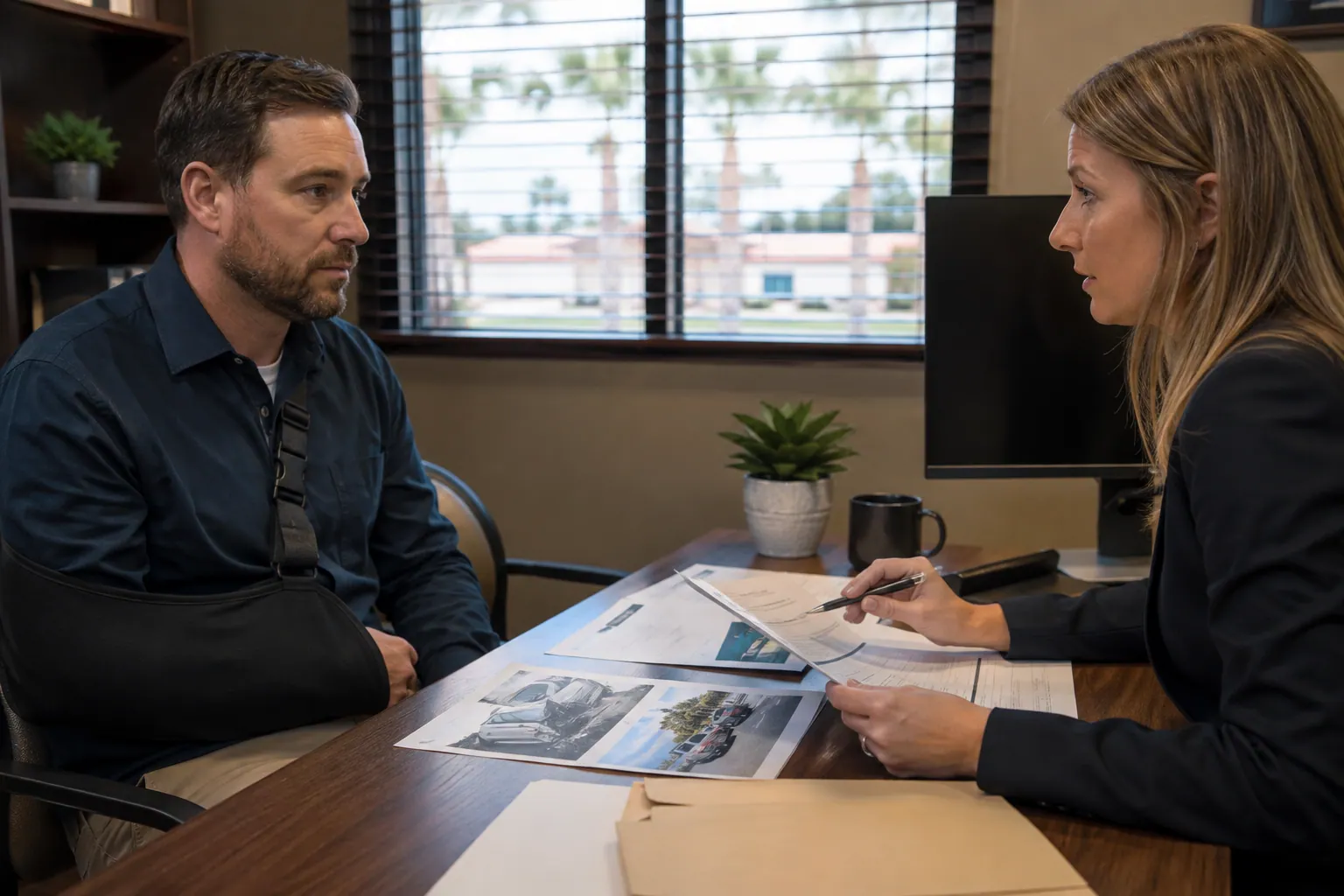
Florida’s growing population, busy highways, and active businesses mean that serious accidents can affect people from all walks of life, often without warning. In the aftermath of an injury, many individuals find themselves navigating not only physical recovery but also mounting financial concerns and unfamiliar legal procedures. The path toward compensation is rarely as straightforward as it first appears, with insurance companies, documentation requirements, and legal deadlines all playing important roles in the outcome of a claim.
Understanding how the process typically unfolds can help injured people make informed decisions, avoid unnecessary setbacks, and feel more confident about the road ahead. While every case is unique, knowing what to expect at each stage can reduce uncertainty and allow victims to focus on rebuilding their lives. Working with a personal injury lawyer in Jacksonville can provide valuable guidance through each phase of the claims process while protecting important legal rights. With experienced representation, injured individuals can pursue fair compensation while concentrating on their recovery and future well-being.
The First Legal Steps
Soon after an accident, injured people usually report the event, seek medical care, and gather basic records. During that early stretch, guidance from a personal injury lawyer can help them avoid making harmful statements, missing deadlines, or providing incomplete proof. Early legal support often shapes the value of a claim because facts, photos, witness names, and treatment notes are easiest to secure right away.
Medical Records Matter
Treatment records often become the backbone of claims processes. Doctors’ notes, imaging results, prescriptions, and therapy plans help connect the injury to the event. Insurers often review gaps in care closely, so steady follow-up matters. Clear records also show pain levels, physical limits, and likely future needs. That information gives lawyers and adjusters a stronger basis for valuing both immediate costs and lasting harm.
Notice to Insurance Carriers
After the early review, insurers are notified that a claim is being pursued. From that point, adjusters may request statements, records, or authorizations. Injured people should expect close scrutiny of their medical history and daily activities. Social media posts may also be reviewed. Careful communication matters because casual comments can be used later to question pain, fault, or the need for ongoing treatment.
Calculating Losses
Claim value usually depends on multiple factors. Attorneys often calculate emergency care, follow-up treatment, wage loss, reduced earning ability, property damage, and expected future costs. Pain, emotional strain, and daily disruption may also be considered. A strong demand package explains those losses with records, bills, expert opinions, and practical examples showing how the injury changed work, routines, and family life.
Settlement Takes Time
Many injured people expect a quick payout, but negotiations often move slowly. Insurers may start low, question treatment, or argue that the injured person shares blame. Back-and-forth discussion is common before a fair number appears. Patience matters here. Accepting too early can leave costs unpaid, especially when doctors do not yet know whether symptoms will improve or become permanent.
Discovery Tests Every Claim
Discovery is the stage where each side closely examines the evidence. Defense lawyers may ask about prior injuries, missed work, treatment choices, and physical limits. Medical experts may also examine the injured person. Accuracy matters at every stage. Consistent answers, organized records, and honest testimony usually carry more weight than broad claims unsupported by documents or credible witness accounts.
Mediation Is Common
Before trial, courts often require mediation. A neutral mediator helps both sides discuss risk, damages, and possible settlement terms. Mediation is private, structured, and less formal than court. Even so, preparation matters. Lawyers usually arrive with updated records, expense totals, and a clear figure supported by evidence. Many cases resolve here because both sides see the cost and uncertainty of a trial more clearly.
Trial Is the Final Resort
When no agreement is reached, the case may proceed to trial. A judge or jury then decides fault, damages, and sometimes the share of blame. Trials require more time, expense, and emotional energy than settlement talks. Still, they can be necessary when an insurer refuses to value the harm fairly. Strong preparation before trial often influences outcomes long before a verdict is announced.
Conclusion
The legal claim process typically involves treatment, investigation, insurance review, negotiation, and sometimes litigation. Each step affects what injured people may recover and how long the matter may last. Realistic expectations help them respond calmly, keep useful records, and avoid rushed decisions. With steady guidance, injured people can move through the process with greater clarity and a better chance at fair compensation.
