

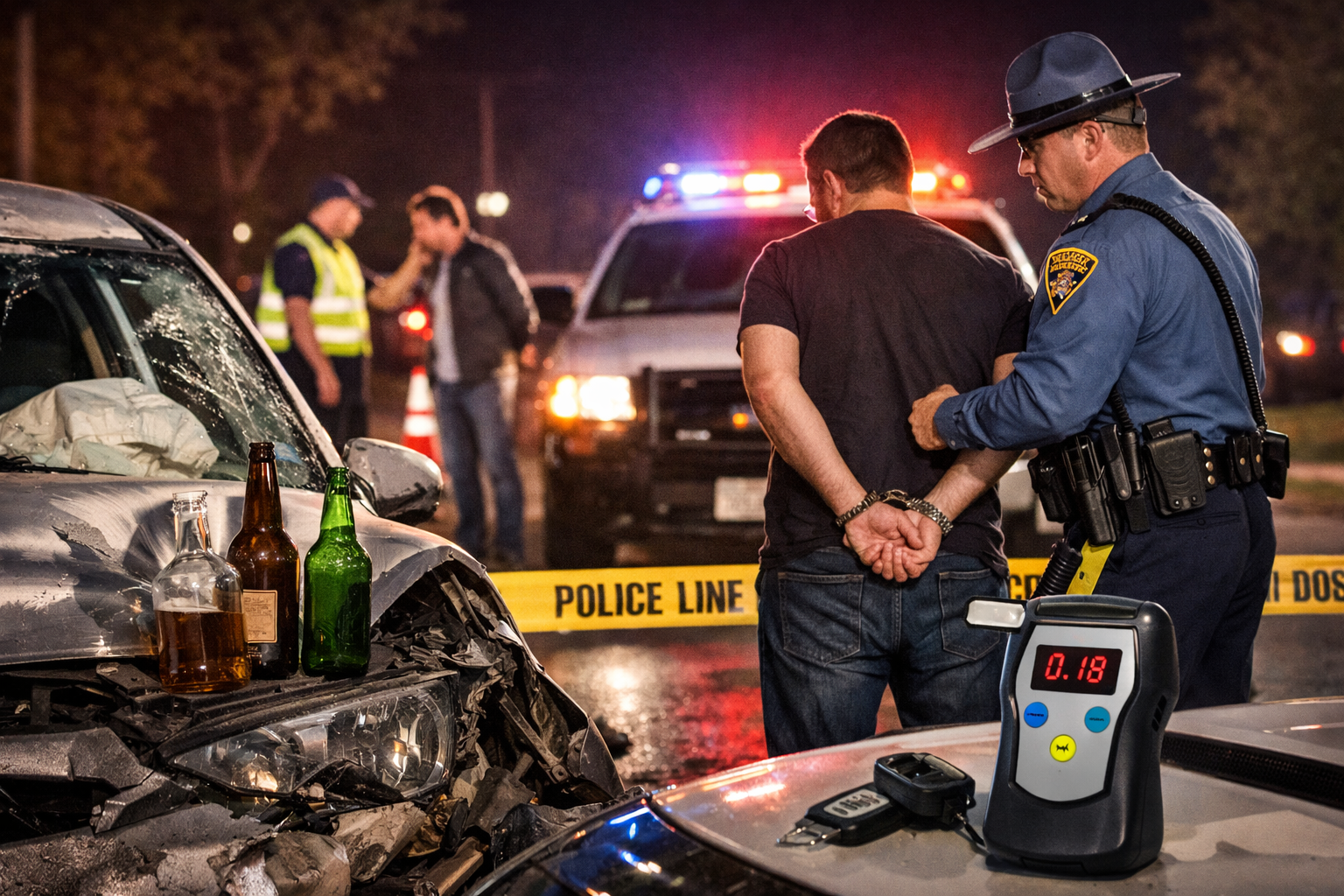
Alcohol or drugs behind the wheel already put you at risk. Certain choices make that risk far worse. New Jersey law treats some DWI cases as aggravated. That means harsher charges, longer license loss, and real time in county jail. You face this when someone gets hurt, a child is in the car, your speed is extreme, or your blood alcohol level is very high. You also face it if you already have a prior DWI. Each factor stacks pressure on you and your family. Every mistake on the road then follows you for years. This guide explains what turns a simple DWI into an aggravated one. It also shows how an Experienced DWI Defense Attorney in New Jersey looks at these facts. You deserve clear facts, not fear.
What “Aggravated” DWI Means In New Jersey
New Jersey does not use the exact label “aggravated DWI” in its statutes. Instead, the law raises penalties when certain facts are present. Courts treat these facts as aggravating. The result feels the same as a separate aggravated crime. You face stronger punishment and fewer chances for relief.
Under New Jersey traffic safety guidance, any DWI is serious. Certain facts move it into a harsher group. These facts can turn a first offense into something that feels like a repeat. They also influence the judge during sentencing.
Key Factors That Make A DWI Worse
Three main groups of facts raise the stakes.
- Your blood alcohol level or drug level
- Your driving behavior and crash results
- Your history and who was in the car
High Blood Alcohol Level
New Jersey law sets different penalty levels based on blood alcohol content or BAC. A higher BAC tells the court that your judgment and control were more impaired. That leads to tougher penalties.
BAC Levels And General First Offense Penalty Ranges In NJ
| BAC Level | License Loss | Fines And Fees | Ignition Interlock Use
|
|---|---|---|---|
| 0.08 to 0.10 | Up to 3 months | Lower range | Shorter required time |
| 0.10 to 0.15 | Longer period | Higher range | Longer required time |
| 0.15 and above | Extended loss | Highest range | Required during and after suspension |
A BAC of 0.15 or more signals severe impairment. Courts then treat your case as more dangerous. That can mean more time without a license and more time with an ignition interlock device in your car.
Refusing A Breath Test
New Jersey has implied consent. When you drive on public roads, you agree to submit to a breath test if an officer has probable cause. A refusal can lead to separate penalties. Courts often see refusal as an aggravating fact even without a BAC result.
Refusal can bring:
- Longer license loss than a basic DWI
- Higher fines
- Mandatory ignition interlock use
This can turn a case that might have been on the low end into one with harsh results.
Accidents, Injuries, And Property Damage
A DWI with no crash is still serious. Once a crash occurs, the tone changes. Someone hurt in a DWI crash brings extra charges. Property damage can also weigh against you at sentencing.
New Jersey law treats injury during DWI as a separate crime. A crash that causes serious bodily harm can lead to long terms of imprisonment. Even minor harm to another person can push a judge to impose tougher conditions such as more community service or longer programs.
Children In The Vehicle
If a child is in the car during a DWI stop, the case grows more severe. Courts see this as putting a child at risk. You can face extra charges for endangering the welfare of a child. That can affect custody, visitation, and your record for years.
Judges often treat this combination as extremely serious. They may show less flexibility on license loss or program options. The impact reaches beyond traffic court and can touch family court.
Excessive Speed And Reckless Driving
DWI combined with excessive speed or reckless driving shows greater danger to others. Racing, weaving through traffic, or driving at extreme speed near homes or schools makes a DWI case worse.
These facts can lead to:
- Additional tickets for reckless driving
- More points on your license
- Harsher DWI sentencing
Courts look at the whole picture. DWI plus reckless behavior tells the judge that your choices created severe risk for every person nearby.
Prior DWI Or Driving Record
A prior DWI changes everything. New Jersey increases penalties sharply for second and third offenses. Each repeat offense brings longer license loss, more fines, and mandatory jail time.
Even without a prior DWI, a poor driving record can hurt. Many speeding tickets, careless driving, or past crashes suggest a pattern. Judges can use that pattern to justify stronger penalties within the allowed range.
Driving On A Suspended License
If you drive while suspended for a prior DWI and pick up a new DWI, the law comes down hard. This shows the court that you ignored its past order. You then face new charges for driving while suspended on top of the new DWI. That often brings mandatory jail time and longer suspension periods.
How Courts Weigh Aggravating And Mitigating Factors
New Jersey judges look at both aggravating and mitigating facts. Aggravating facts include high BAC, crash with injury, child in the car, prior DWI, and refusal. Mitigating facts can include a clean record, clear remorse, prompt treatment, or strong family support.
The judge balances these two groups when setting your penalties. The New Jersey judiciary explains this balancing process in its sentencing guidance, which you can review through the New Jersey Courts motor vehicle resource. Understanding this process helps you see why details about your life and your conduct at the time matter as much as the BAC number.
Protecting Yourself And Your Family
If you face a DWI with aggravating facts, take the situation seriously. Do three things fast. Learn your rights. Show respect to the court. Seek guidance from someone who understands New Jersey DWI law.
Aggravating factors can turn one night into years of consequences. Clear information and steady action can limit the harm to you and your family.
