

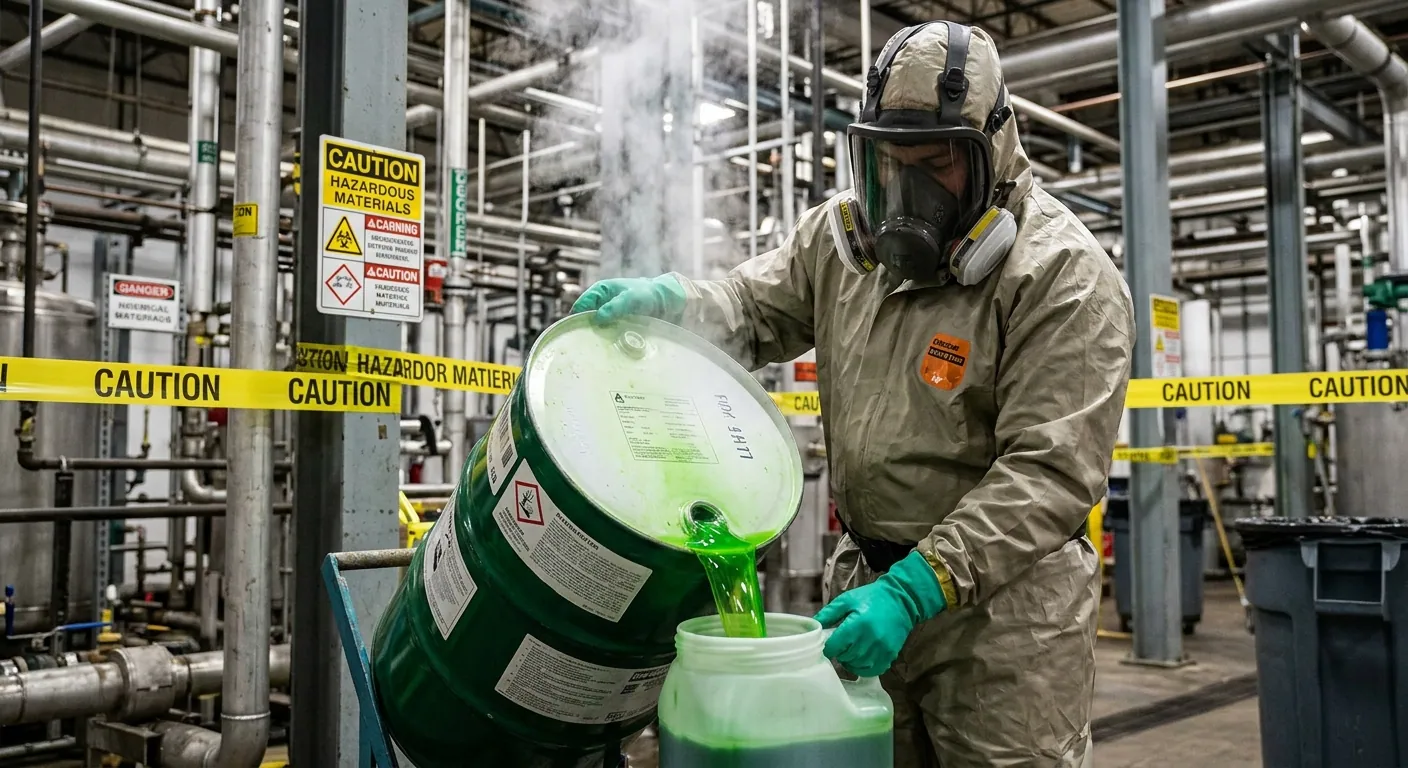
Ideally, the workplace is supposed to be a safe environment for everyone, but certain dangers may be lurking regardless of where you work. Some industries are considered to be more dangerous than others, particularly those in which workers deal regularly with harmful materials.
The Most Dangerous Materials in the Workplace
If you work in an industrial facility or even an office setting, you might encounter dangerous materials that could be hazardous to your health. Some of the most dangerous materials include:
Pesticides
Insecticides, rodenticides and other types of pesticides are used for many food products and plants to kill bugs and other pests, but the chemicals in these pesticides can also be harmful to humans in some cases. Pesticides that come in contact with the skin can cause mild or severe skin irritation. They can also increase the chances of developing liver, kidney and nervous system damage, as well as some cancers.
Agriculture and greenhouse workers are generally more susceptible to pesticide exposure, but landscaping professionals can also come in contact with pesticides regularly if they work around crops and plants. Workers in these industries may also put their family members at risk if they shed pesticide residue from their clothing while at home.
Lead
Lead has long been known for its potential health hazards. Lead dust, which might be inhaled while working in industrial settings, can put workers at greater risk for developing respiratory issues, organ damage and even lead poisoning in severe cases.
Even though lead isn’t commonly used in today’s pipes or paint products, it could still be hazardous to plumbers, painters and other home improvement specialists who work in older buildings, where lead might be present. Lead can also still be found in car batteries, roofing materials and some electronics, and workers who handle these products regularly should take the recommended precautions to avoid lead exposure.
Asbestos
Despite regulations that largely prohibit the use of asbestos in building products, many older buildings (especially those built before the 1980s) still contain this potentially dangerous material. Lung illnesses, including lung cancer, are more common among workers who frequently inhale asbestos particles.
Asbestos can be found in some older floor tiles, roofing products and insulation materials. Home remodelers and demolition experts may be especially vulnerable to asbestos exposure if the material breaks loose and gets into the air when work is being done.
Benzene
This industrial chemical is commonly used to manufacture plastics, synthetic rubber and other chemicals and products. Gasoline and other types of fuel also contain benzene.
Workers who deal with benzene frequently are at greater risk of developing leukemia and other blood cell cancers. The chemical has even been linked to bone marrow damage, which can cause low red blood cell production and anemia.
Benzene exposure and the related health problems are often more prevalent for workers in the steel manufacturing and rubber production industries. Gas station employees may also be more susceptible to benzene exposure if they inhale benzene fumes from fuel.
Mercury
This chemical, often seen in liquid form, is used in a wide range of products, including fluorescent lightbulbs and electrical switches and even some cosmetics. Mercury is also found in some older medical instruments, such as classic fever thermometers and esophageal dilators, but the use of mercury is steadily being phased out because of the known health problems that are linked to it.
Manufacturing workers, miners and other professionals who may be exposed to mercury are more likely to develop neurological disorders, respiratory difficulties and kidney damage if they inhale or ingest mercury. Medical professionals who still use instruments containing mercury may also be putting themselves and their patients at greater risk.
Chromium
Frequent exposure to this chemical element has been known to cause lung cancer, organ damage and skin irritation in some people. Most chromium exposure comes from inhalation, but workers who touch or orally ingest chromium can also experience health problems.
Chromium is used in some stainless-steel products, such as kitchen utensils, household appliances and jewelry, to give these items maximum durability and corrosion resistance and make them stainless. Exposure to this element is especially common among metal manufacturers, welders and construction workers.
Arsenic
Arsenic is a toxic natural chemical element that’s found in soil and water. Agricultural and construction workers are more likely to encounter arsenic on the job. Arsenic is also commonly used in glass manufacturing and electronics, and workers in these industries are additionally more prone to arsenic exposure.
If arsenic gets into the body through inhalation or ingestion, it can cause muscle weakness, vomiting and other health problems that are associated with arsenic poisoning. Arsenic has also been linked to cancer, diabetes and cardiovascular diseases.
Other materials can be dangerous in the workplace as well. There are new findings regardong the materials in quartz countertops, for example, suggesting that working with these materials may be hazardous for workers. The dangerous material is known as crystalline silica and it is often used as part of artificial stone in materials like tabletops and countertops. It is often breathed in as a dust powder and can cause a seroius condition known as silicosis.
Protecting Yourself in the Workplace
Hazardous materials in the workplace can’t always be avoided, and an experienced work injury lawyer like those at Frost Law Firm, PC can offer you legal guidance if you ever experience health problems related to dangerous material exposure. Some of the best ways to protect yourself in the workplace include:
- Wearing a mask or respirator when working around dangerous materials
- Wearing gloves and protective clothing to keep skin safe
- Ensuring that bottles containing toxic chemicals are clearly labeled
- Receiving proper training to work around dangerous materials
- Following all other safety guidelines established by the Occupational Safety and Health Administration (OSHA)
Even if you encounter dangerous materials regularly, you can still stay safe at work by taking the necessary precautions. No matter your profession or specific job duties, you owe it to yourself to protect your health on the job.
