

West Hartford is known for its walkable center, strong schools, and family friendly neighborhoods. For many couples who live here, the thought of a divorce is difficult to imagine, let alone navigate. When the decision is made, one of the first steps is choosing a lawyer. That choice affects your finances, your parenting arrangements, and your stress level for years to come. Going into the first meeting with a clear list of questions helps you make a confident and informed decision.
Start With Experience and Focus
The first question is simple: how much of your practice is devoted to family law? Divorce involves property division, support, custody, and often complex financial questions, and the best results tend to come from lawyers who handle these matters regularly. Ask how many cases they have handled in the Hartford area and whether they have appeared before the judges who may hear your case.
Local experience matters because Connecticut family courts have their own procedures and expectations. Divorce cases from West Hartford are typically heard in the Hartford Judicial District, and a lawyer who regularly appears there will understand scheduling practices, local customs, and how particular judges approach disputes. The Connecticut Judicial Branch publishes court information and forms that give you a baseline understanding before you sit down with a lawyer.
You should also ask about trial experience. Many divorces settle, but a lawyer who is comfortable in court tends to negotiate from a stronger position.
Ask About Strategy and Approach
Not every lawyer approaches divorce the same way. Some are aggressive litigators, while others prefer settlement, mediation, or collaborative methods. Ask how the lawyer would handle your situation and why. The idea behind collaborative law, in which both spouses and their lawyers agree to work toward settlement without going to court, is one option worth discussing, particularly if you have children and want to keep conflict low.
Be clear about your own priorities. Do you want to keep the house? Protect a business? Maintain a close relationship with your children? A good lawyer will listen, offer a candid view on what is realistic, and explain the tradeoffs. Be cautious of anyone who promises you everything you want, since divorce involves compromise.
Ask what the likely path looks like. Connecticut imposes a 90 day waiting period after service before a divorce can be finalized, and most cases require financial disclosures, a parenting education program for parents, and possibly mediation or court hearings. A lawyer who can describe the stages and time frames gives you a useful sense of what lies ahead.
Discuss Fees and Communication Openly
Money is an uncomfortable topic, but it needs to be addressed. Ask whether the lawyer charges an hourly rate or a flat fee, what retainer is required, and how often you will be billed. Ask who else will work on your case, such as associates or paralegals, and what their rates are. Request a written fee agreement and review it carefully.
Find out what additional costs might arise. Expert witnesses, appraisers, custody evaluators, and court fees can add up. A good lawyer will help you estimate the range of costs and explain how choices, such as agreeing on a parenting schedule early, can reduce expense.
Communication is equally important. Ask how quickly the lawyer returns calls and emails, who your main contact will be, and how you will be updated. Divorce is stressful, and uncertainty is often worse than bad news. A lawyer who sets expectations early helps you feel more in control.
Look for a Good Fit
Qualifications matter, but so does comfort. You will be sharing personal details about your marriage, finances, and children, so you need to feel respected and heard. Pay attention to whether the lawyer explains issues in plain language, answers questions directly, and treats you as a partner in the process.
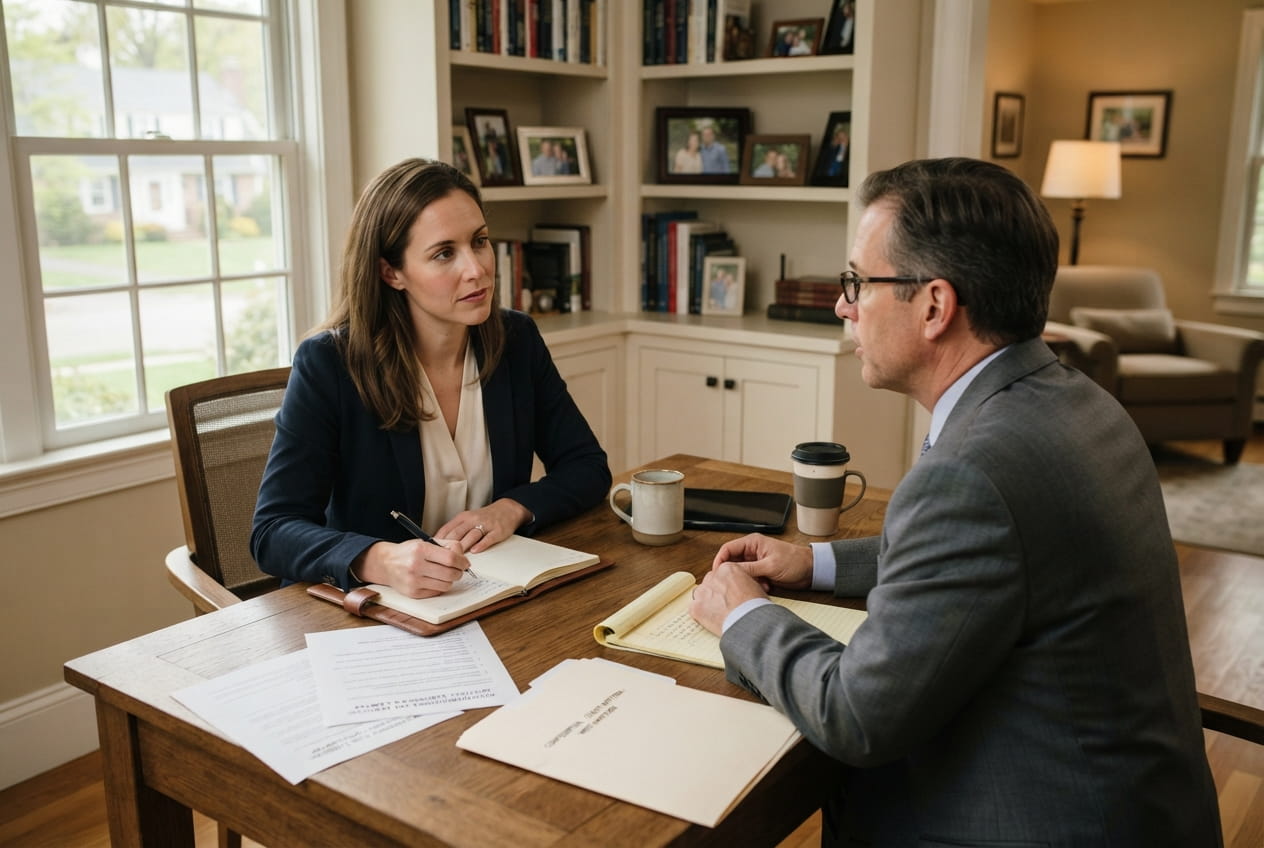
A representative of Rich Rochlin Law noted that the best client meetings are those where people arrive with documents and priorities, because it allows the conversation to focus on strategy rather than guesswork. If you are in the early stages of deciding, a West Hartford divorce lawyer can explain how Connecticut law applies to your circumstances and what steps to take first.
Ask, too, about what you can do on your own to keep costs down. Organizing your records, responding to requests quickly, and staying focused on the issues that matter most can reduce the time your lawyer needs to spend, and that often translates into lower fees.
Before the meeting, gather tax returns, pay stubs, bank and retirement statements, mortgage documents, and a list of debts. Write down your questions, and bring a notebook. Meeting with two or three lawyers is a reasonable approach, and a thoughtful choice now can make the entire process more manageable.
